
Ads, videos and landing pages that start qualified conversations
We build creative that helps prospective students understand your program and recognize why it matters to them. When they submit the form, they should know what they signed up for, be interested and want to learn more.

Grown
behind the data
creative testing
and creators






Where education creative gets skipped
A test-taker, a career switcher and an employer-sponsored professional get the same ad, even though each needs different information before they are interested.
See how we split personas →A brochure graphic says little about the people, the work or the outcome behind a program. We use a real person and a clear claim, backed by proof prospective students can understand.
See what we make instead →We test distinct concepts with one hypothesis per asset. The result should tell us what builds understanding and interest, so the next round starts from something learned.
See how we test →We write to one person at a time

They are not browsing a catalogue. They are managing risk before a fixed exam date, comparing three providers in one evening.
Motivational language, campus lifestyle shots, and any promise of “better scores” without a number attached.
Pass rates, a real instructor on camera, and a study plan that fits the weeks they have left.

They are buying a salary outcome, not a syllabus, and they need to believe the change is survivable alongside a job.
Vague “upskill your future” messaging and curriculum lists with no destination attached.
Named graduates with before-and-after roles, hiring-partner logos, and an honest hours-per-week number.

They want the course, but they have to sell it internally. The creative has to survive being forwarded to a manager.
Student-life energy and consumer discount language. It makes the program look unserious to a budget holder.
Accreditation, team pricing, measurable capability gain, and a schedule that does not cost billable time.
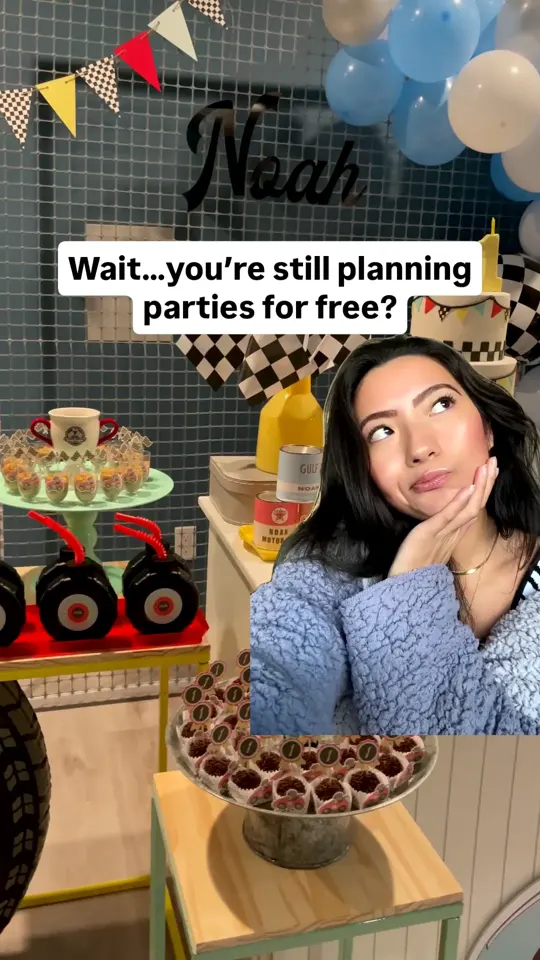
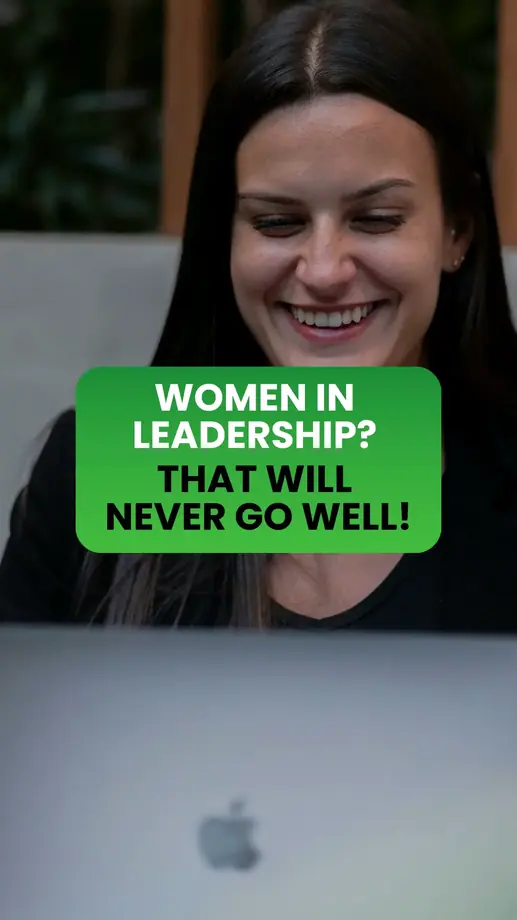
Made for the feed
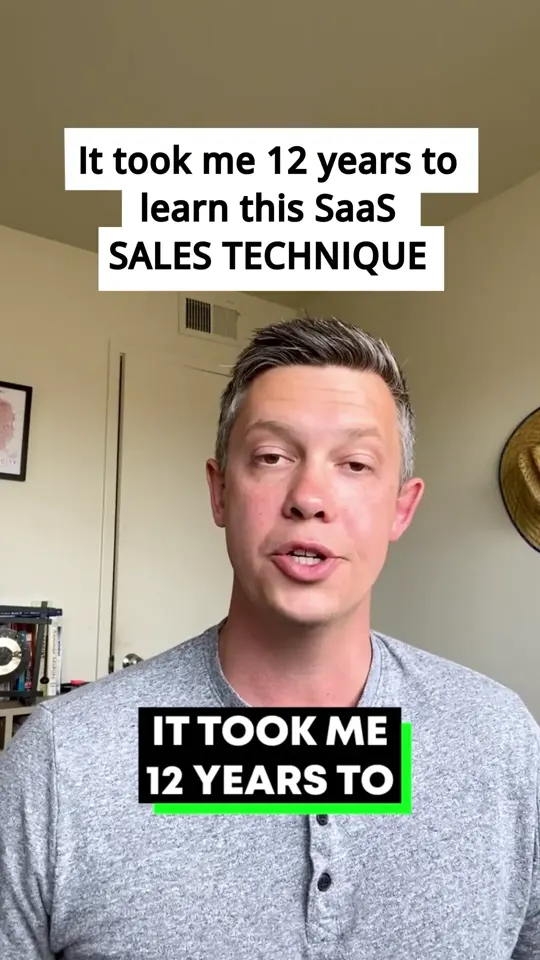
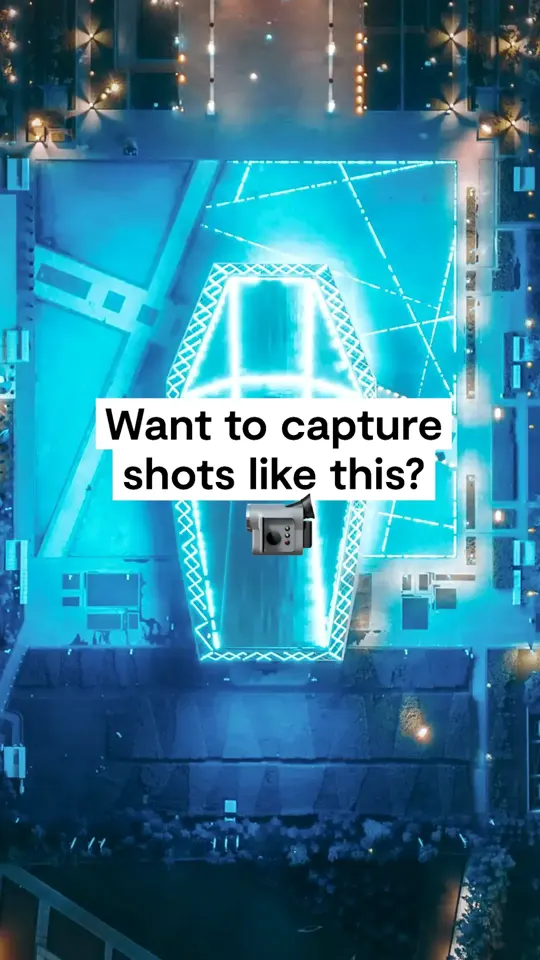
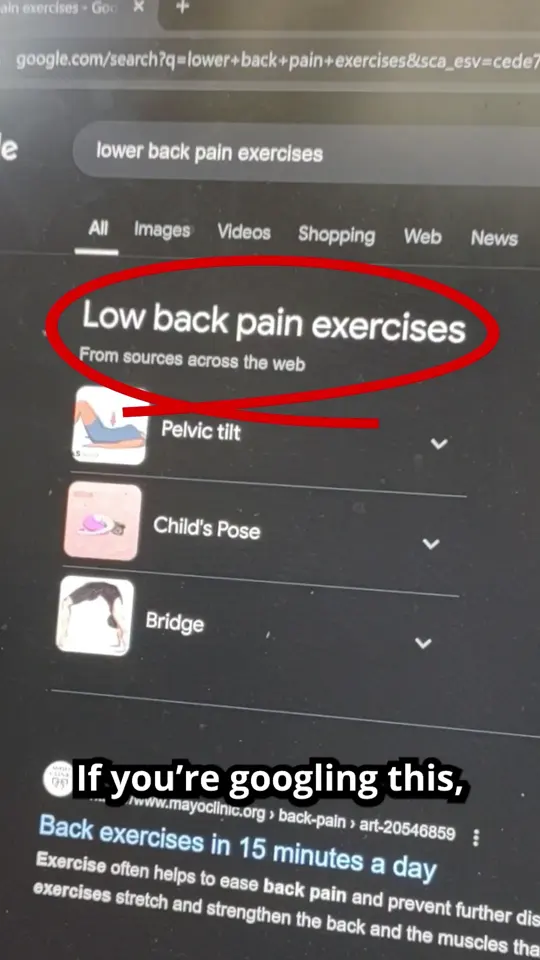


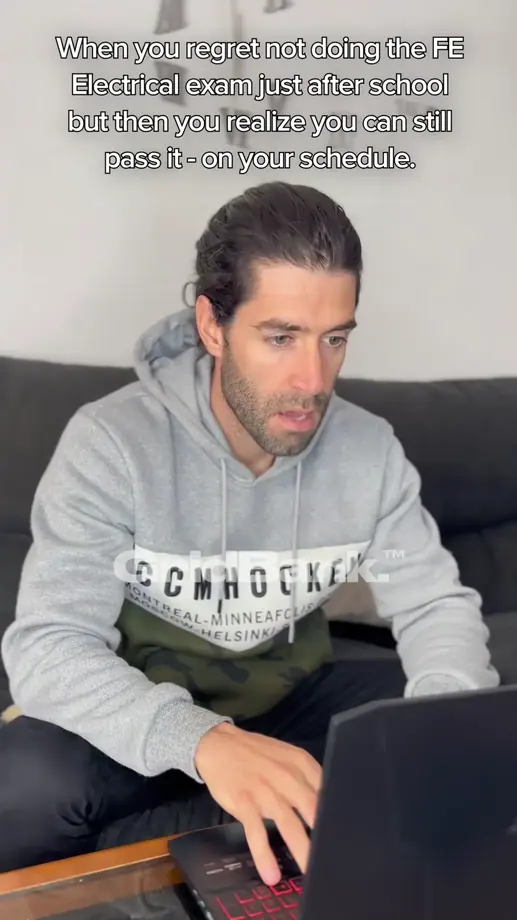
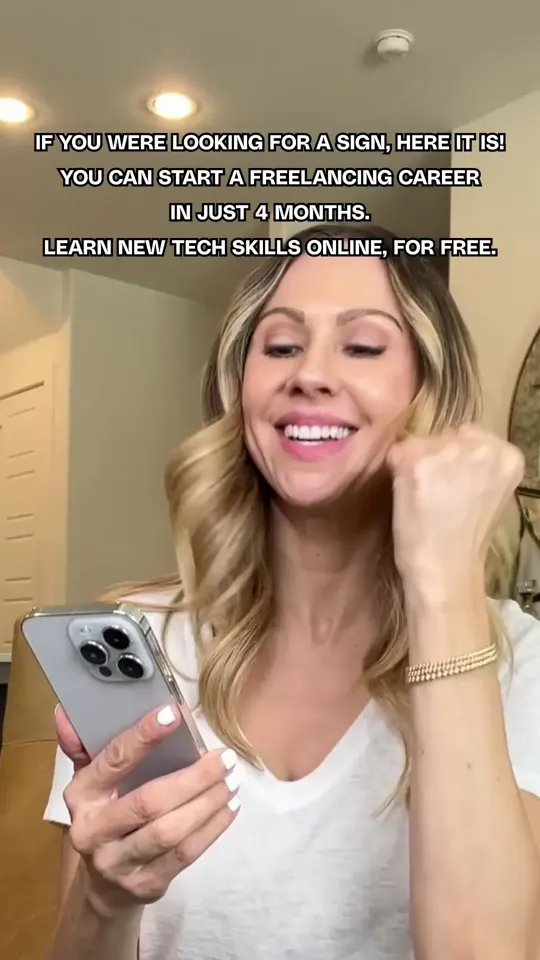
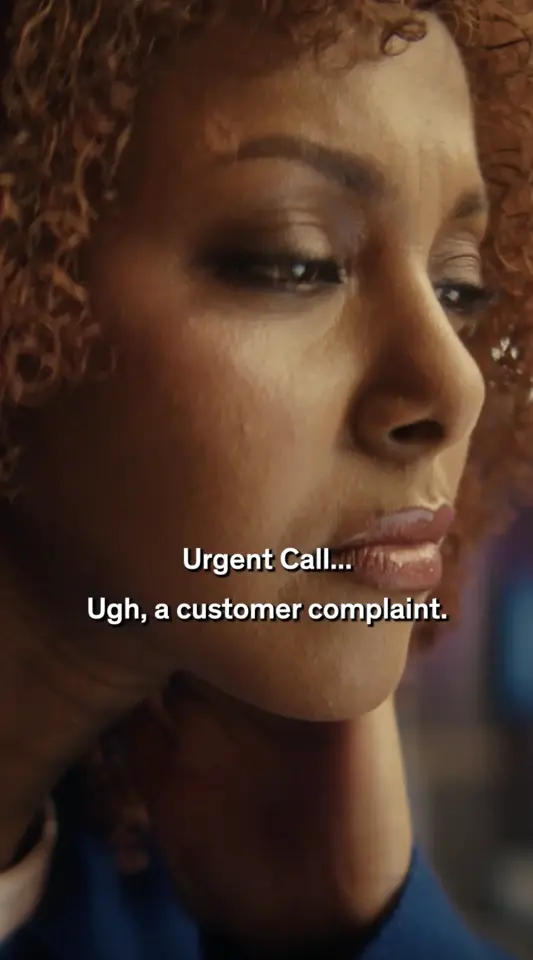

Every asset asks a question
The program’s research tells us who the buyer is, what they compare you against, what proof holds up and the words they use. That becomes the list of questions worth testing.
Each concept carries a single hypothesis: one claim, one objection, one format and one belief it is meant to build. Distinct ideas give us useful things to test.
Built in-house so the only thing that changes between variants is the variable we are testing — everything else is held steady.
Judge the asset against its agreed job: understanding and interest, then qualified conversations when it asks for a form. Form responses and follow-up show what people understood and wanted to learn. That becomes the next cycle’s starting point.

