
Leads are cheap.
Qualified conversations are the only metric to focus on.
We build paid advertising around people who understand your program, are interested, and submit the form because they want to learn more. Research, creative, landing pages and qualification work together to earn that interest before the form.

Grown
behind the data
UAV Coach
for Udacity






Where paid advertising goes wrong in education
A submit event tells you a form was completed. We check whether the person understands the program, is interested, wants to learn more, and is willing and able to pay, then use that qualification to judge the campaign.
See how we buy →The right channel mix depends on the program, who it is for and when people decide. We start with that research and adjust the mix as we see what produces qualified conversations.
See how we split spend →Reporting should show the cost of a qualified conversation alongside raw lead volume. We connect form responses and CRM feedback so understanding and interest remain visible after the click.
See what we report →They understand the program.
They’re willing and able to invest.
A qualified conversation is a form submission from someone who understands the program, is interested in joining, wants to learn more, and is willing and able to pay for it.
- They submit the form.
- They understand the program.
- They are interested in joining.
- They want to learn more.
- They are willing and able to pay.
Every channel has one job
Search reaches people already looking for a program like yours. We match the query to a clear program page and a relevant next step, then judge what it costs to produce an informed, interested enquiry.
Broad match on generic education terms, brand keywords you already own, and anything a competitor bid up out of spite.
Exact program and exam names, comparison and “is it worth it” queries, and the long tail nobody else structures properly.
This is where we introduce the program before people start comparing. Student stories, instructors and useful content build understanding and interest, so the form is a request to learn more.
One audience, one creative, and a lookalike built on every form fill you have ever collected.
Fresh creative every week, one hypothesis per asset, and retargeting split by how far someone actually got.
Video gives prospective students time with the people and the substance behind a program. YouTube can carry a longer story; TikTok can introduce it in the feed. The page after the video must explain the program and the next step.
Repurposed TV cuts, sixty-second explainers, and campaigns pointing at a page written for a warm audience.
Instructor-led hooks, real student footage, and a landing page that finishes the sentence the ad started.
LinkedIn can reach working professionals and the people who support their training decisions. We use program outcomes, employer context and clear commitments to help the right people decide whether they want to learn more.
Broad job-title targeting, message blasts, and consumer discount language in a professional feed.
Seniority and function targeting, employer-context messaging, and assets designed to survive being forwarded internally.
Where the budget goes
Illustrative budget splits.
Where new people learn about the program. We assess which messages build understanding and lead to qualified requests to learn more.
Intent you do not have to create. Capped by real query volume rather than ambition.
Follow-up for people who have already spent time with the program. Answer the next question and give them a clear reason to learn more.
Stay visible between intakes with useful program content and student proof, so the next conversation starts with some understanding.
How the account gets run
Before anything is switched on we read the account: what was bought, what it was optimised for, and which conversions were never real.
- —Account and tracking audit
- —Conversion events rebuilt
- —Wasted spend named in numbers
One channel plan tied to the program and its calendar, with a shared definition of a qualified conversation and a cost target based on your numbers.
- —Channel and budget plan
- —Cost per qualified conversation targets
- —A test queue for the quarter
Campaigns are built by the people who report on them. No junior handover, no black box left running on autopilot.
- —Search, social and video buying
- —Audience and bid structure
- —Creative briefed from performance
We review which campaigns produce informed, interested requests to learn more. Budget and creative adjustments follow those results, as often as your approvals allow.
- —Budget and bid adjustments
- —Enrollment-level reporting
- —Monthly board-ready recap
Creative behind the campaigns
Education ads shaped for their channel and tested against enrollment outcomes.


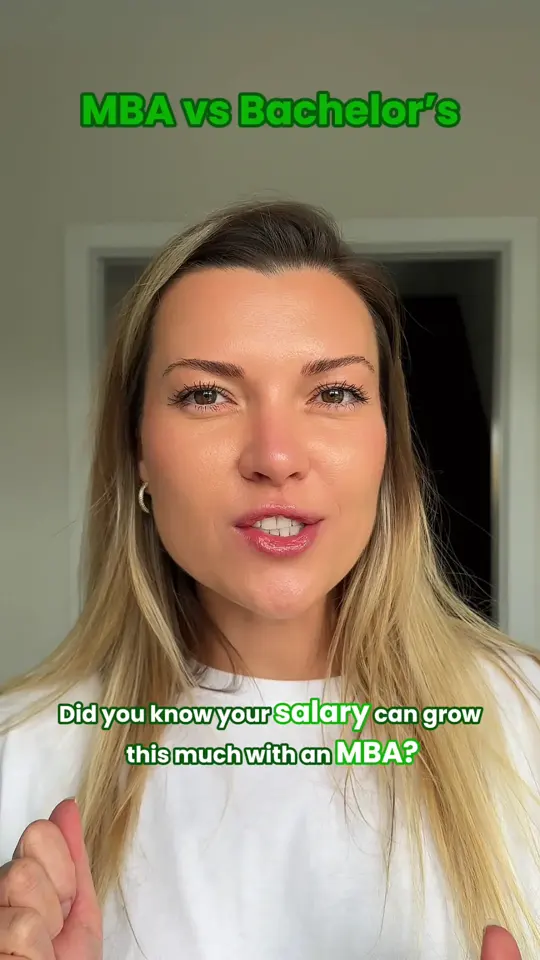
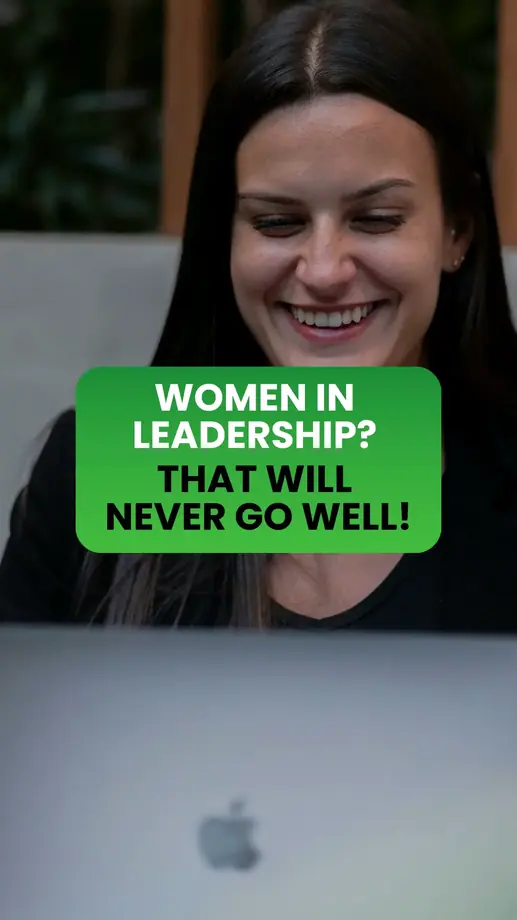
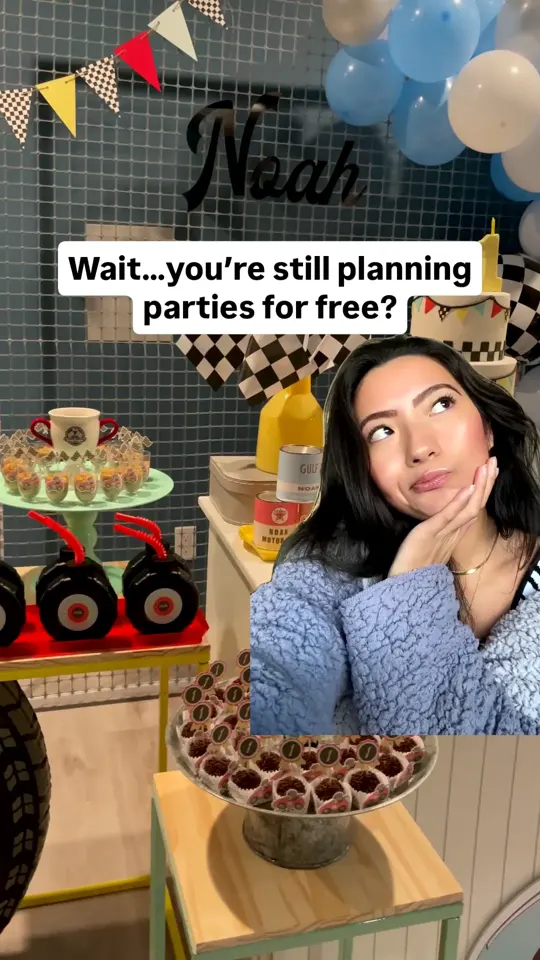
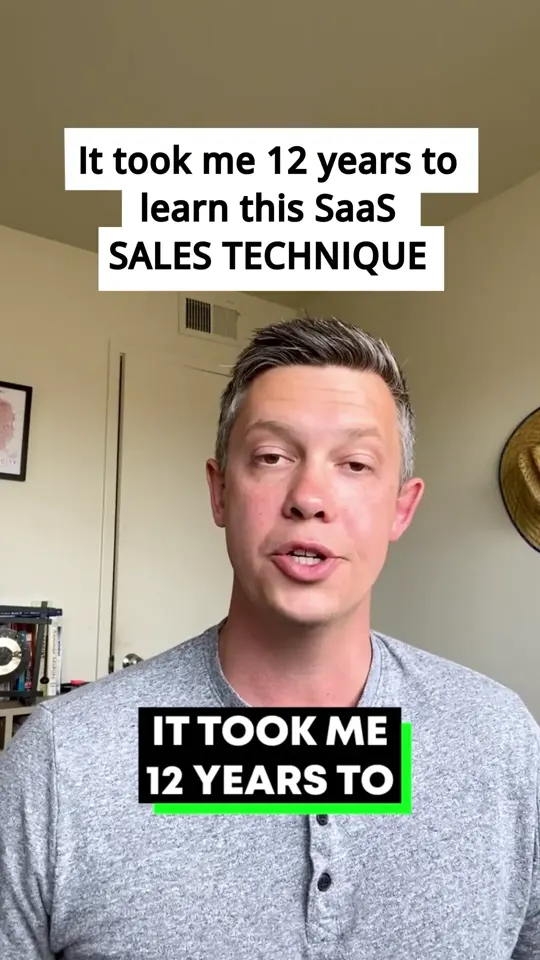
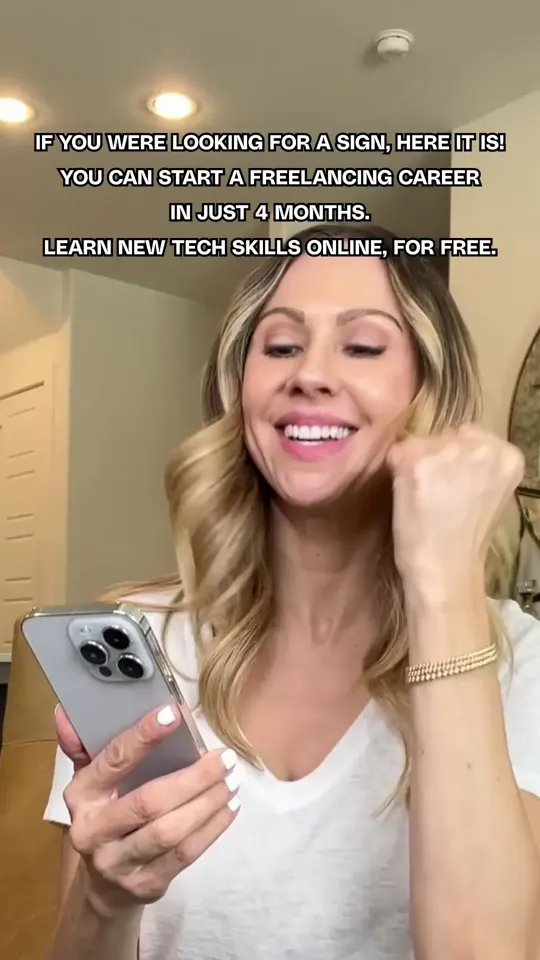

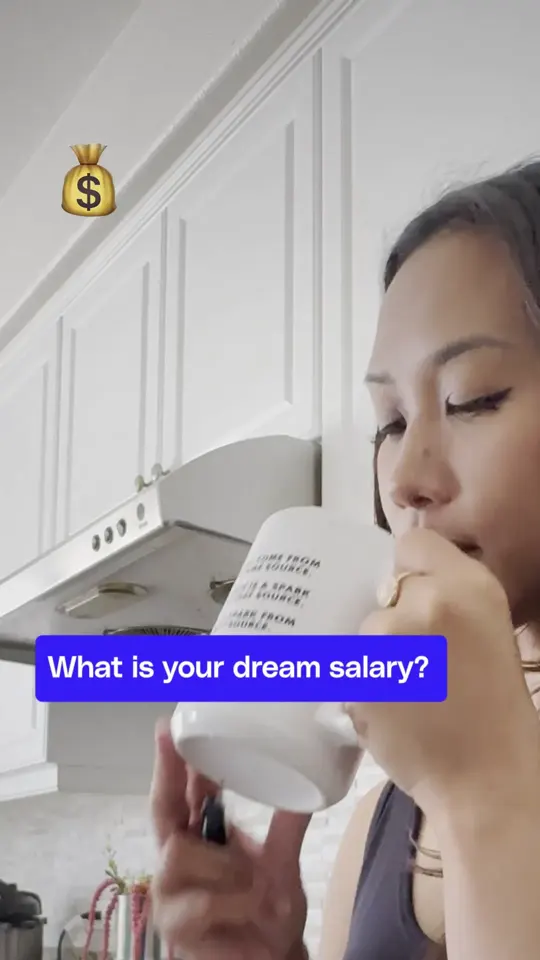
See more services


Results from education accounts
A full-funnel rebuild took a certification provider from plateau to a 3.25 marketing efficiency ratio.
Read the case study → Udacity EGFWDApplication quality up 50% and cost per application down 25% in thirty days, measured on applications rather than leads.
Read the case study → Avado LearningHalf the acquisition cost on a national certificate portfolio, with lead quality going up rather than down.
Read the case study →Results from earlier client work, shown with the metrics those campaigns measured.