

Expectations are higher than ever.
Today, students expect a personal touch, far beyond the traditional, one-size-fits-all approach.
Given this, Higher education institutions must now deliver exceptional student experiences or risk losing prospective students to competitors.
Colleges and universities are rethinking their strategies to meet the demands, focusing on personalization, digital engagement, and authentic brand storytelling.
It means tailoring every interaction to meet individual needs and leveraging DTC (direct-to-consumer) branding and digital marketing strategies to set the stage for a more dynamic approach to student recruitment.
However, this can be challenging when you’re part of a large educational system offering a wide range of programs and lacking a clear identity.
Furthermore, this shift is about more than just modern tactics. Rather, a fresh perspective with the DTC approach in education, transforming processes and driving more enrollments.
In this post, we will explain how direct-to-consumer (DTC) brand strategies in higher education focus on personalization, digital engagement, and brand storytelling to attract and retain students.
Understanding the DTC Model and Its Relevance to Higher Education
Today’s students expect more than just a degree; they want an experience tailored to their needs, values, and aspirations.
This expectation closely mirrors how consumers interact with Direct-to-Consumer (DTC) brands, which prioritize personalization, direct engagement, and community-building.
This is similar to a DTC business model, which removes the middleman, allowing brands to create direct relationships with their customers.
This approach creates brand loyalty in education by ensuring every interaction is meaningful, personalized, and aligned with individual preferences.
In the same way, students now expect colleges and universities to engage with them directly, offering customized experiences that match their academic and career goals.
For example, digital engagement is essential.
According to the National Center for Education Statistics, over 35% of higher education students participate in some form of online learning.
This means institutions must be present where students are, online, active, and interactive, offering seamless digital experiences that enhance learning.
Similarly, social media plays an important role in student decision-making.
Data from Statista shows that social media usage in the U.S. will reach 330.07 million users by 2029, with individuals spending an average of 143 minutes daily on these platforms worldwide.
This shift has made authentic digital storytelling and real-time engagement essential for higher education branding, as students turn to social media to explore campus culture, student experiences, and institutional values.
However, beyond digital presence, students today expect personalization and transparency.
Unlike in the past, where choices were limited, they now actively seek institutions that align with their interests, offer flexible learning paths, and provide clear information about costs, career outcomes, and support services.
They are not just choosing a university; they are choosing a community that reflects their values and invests in their future success.
Just as DTC strategies for universities emphasize building long-term relationships, institutions must rethink their enrollment marketing shift to prioritize meaningful engagement, customized learning pathways, and an authentic brand presence.
Personalization and Student-Centric Marketing
Just as consumers expect personalized experiences, students are no different.
Like DTC brands that use data-driven insights to create highly customized interactions, universities can adopt similar strategies to enhance student engagement and improve enrollment outcomes.
Therefore, DTC brands leverage hyper-personalization by analyzing years of customer data, using AI-driven insights, and delivering real-time experiences.
This approach keeps customers engaged and builds long-term loyalty.
Similarly, higher education personalization can transform student recruitment by tailoring communication, streamlining the application process, and offering customized learning experiences.
A 2024 State of Customer Service and CX Study found that 81% of consumers prefer companies that offer personalized experiences, while 70% expect businesses to remember their preferences and interactions.
This consumer mindset has shifted to higher education, where students now seek institutions that recognize their unique goals, academic interests, and career aspirations.
To compete today, colleges must develop student-focused marketing strategies that lead to more meaningful interactions and build stronger connections with prospective students.
Here’s how universities and colleges can think like a DTC brand and implement hyper-personalization:
- Behavior-Based Engagement: Track how students interact with websites, virtual tours, and application portals to provide relevant content and next steps.
- Data-Driven Outreach: Use insights from inquiries, past interactions, and academic interests to craft personalized communication that resonates.
- Targeted Marketing for Enrollment: Leverage AI and predictive analytics to send customized program recommendations, scholarships, and event invitations based on student preferences.
- Omnichannel Communication: Meet students where they are, whether social media, email, or chat, ensuring seamless engagement across multiple platforms.
- Real-Time Assistance: Use AI chatbots and personalized student portals to offer instant support and guide prospects through the enrollment process easily.
As higher education trends and student expectations shift, colleges must embrace innovation and invest in business intelligence tools and platforms to stay competitive.
However, the future of hyper-personalization isn’t just about advanced algorithms or more intelligent AI, it’s about building connections that truly resonate with individuals.
Leveraging Digital and Social Media for Brand Storytelling
Technology has accelerated business growth, with approximately 30,000 new products hitting the market each year.
This shows that a significant portion of these come from direct-to-consumer (DTC) brands, which leverage digital channels to sell and deliver products. These brands are reshaping industries with their innovative approach.
Think about your favorite DTC brand for a minute.
They’re masters at using social media, influencer marketing, and authentic content storytelling to forge emotional connections with you through a quirky Instagram post, an engaging TikTok video, or a heartfelt influencer collaboration that resonates on a personal level.
Now, imagine universities taking a page out of this DTC strategy.
With university digital branding, institutions can use social media marketing to inform and truly inspire prospective students.
Here’s a breakdown of how DTC brands leverage digital and social media and how universities can do the same:
1. Social Media Marketing
With 5.56 billion social media users worldwide, DTC brands dominate platforms like Instagram, TikTok, YouTube, and Facebook.
They mix short-form videos, interactive stories, and live sessions to create a dynamic, engaging community.
For example, many DTC companies use Instagram’s built-in e-commerce tools to streamline the shopping experience and direct engagement.
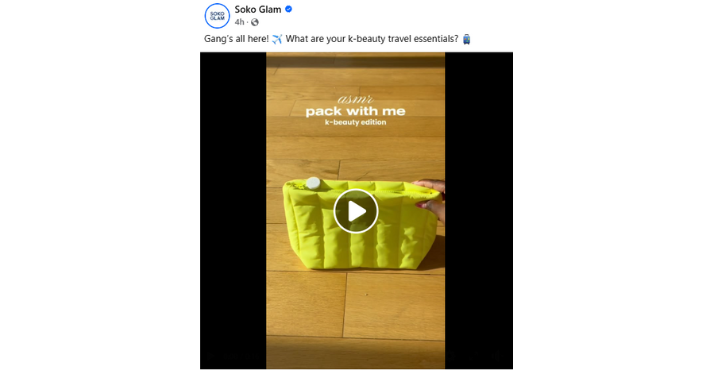
Source: Soko Glam
Soko Glam, a Korean beauty product brand, is a great example of creating interactive, visually rich content for social media that resonates with K-beauty enthusiasts and builds a loyal community.
Similarly, universities can mirror this strategy by sharing authentic snapshots of campus life, student testimonials, and behind-the-scenes glimpses of academic events.
Regular interactive sessions, such as live Q&As, virtual campus tours, or student Instagram takeovers, can create a vibrant online community.
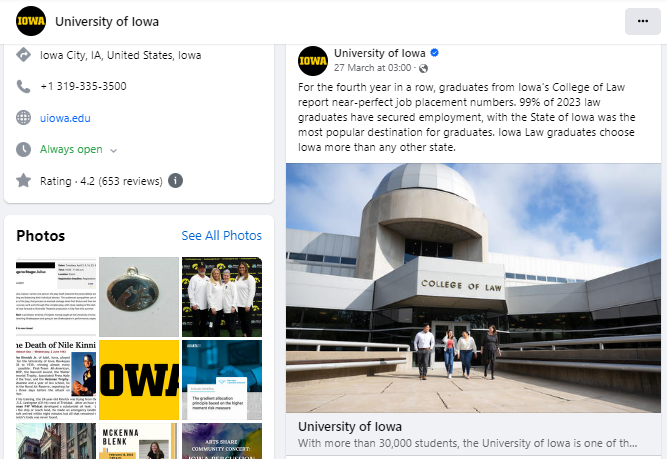
Source: University of Iowa
For example, the University of Iowa shares job placement stats for its College of Law graduates, highlighting how many stay and work in the state.
2. Influencer Marketing
The cost of acquiring new customers (CAC) to attract and convert a new customer has been steadily increasing. A report from Business Wire highlights that CAC surged by 222% between 2013 and 2022.
DTC brands diversified their marketing strategies to reduce these rising costs and explored more cost-effective approaches, such as influencer collaborations to reach the targeted audience organically.
Viewed as authentic and relatable, influencers significantly impact Gen Z’s purchasing decisions, with 44% influenced by their recommendations.
Moreover, based on data and insights, nearly 50% of millennials worldwide find influencer recommendations more engaging than traditional advertisements.
Additionally, 36% of respondents consider influencer endorsements more trustworthy than standard ads.
Here’s an example of a DTC brand, NutraChamps, a natural supplement business that leveraged fitness influencers and content creators to promote products to the audience looking for health and wellness brands.
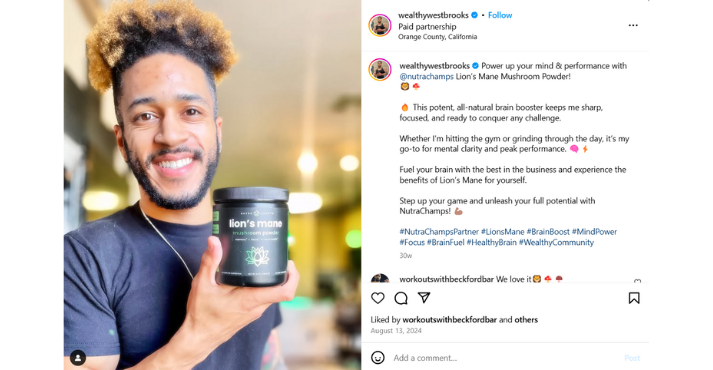
Source: Instagram
This highlights that millennials and Gen Z prioritize reliable word-of-mouth as the most important element in a brand, emphasizing the growing impact of authentic, influencer-driven marketing.
For higher education, partnering with influential alumni, current student ambassadors, or even local social media personalities can humanize the institution.
These influencers can share real-life experiences, academic successes, and campus traditions, building trust with prospective students.
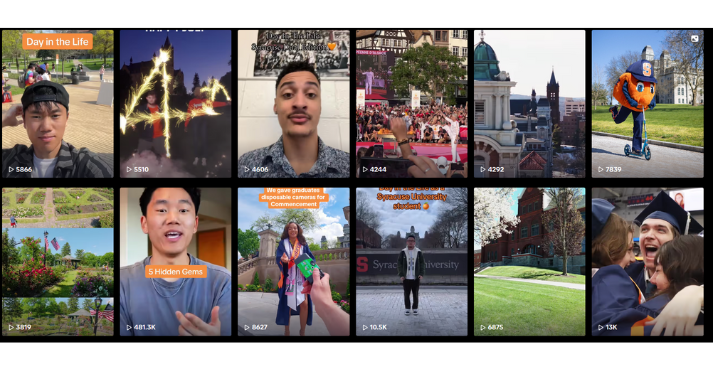
Source: Syracuse University
For example, Syracuse University uses TikTok for influencer marketing by featuring Day in the Life videos from current students, international students, and alumni.
These students become the influencers for the University, build engagement, and attract prospective students through relatable content.
3. Content Storytelling
Storytelling goes beyond words and remains a powerful tool in modern DTC brand marketing.
Since DTC marketing prioritizes digital over traditional channels, sharing narratives around their products using a mix of long-form videos, blog posts, user testimonials, and visual content helps DTC brands to create a memorable, emotional experience for their customers.
For example, a leading eyewear brand, Warby Parker engaged customers through user-generated content (UGC), encouraging them to share experiences using #WarbyHomeTryOn.
Through this user-generated story, the brand was able to make trying new glasses less intimidating by offering a free at-home trial.

Source: Instagram
So rather than telling stories that simply convey logic, education marketers must create a message that prospective students are more likely to remember, be inspired by, and think or feel about the college or university.
This might include narrative-driven content such as student success stories, transformative research breakthroughs, or profiles of inspiring faculty members.
The New York University’s Where R.A Now? Podcast is an excellent example of how higher education institutions can use storytelling to engage a niche audience
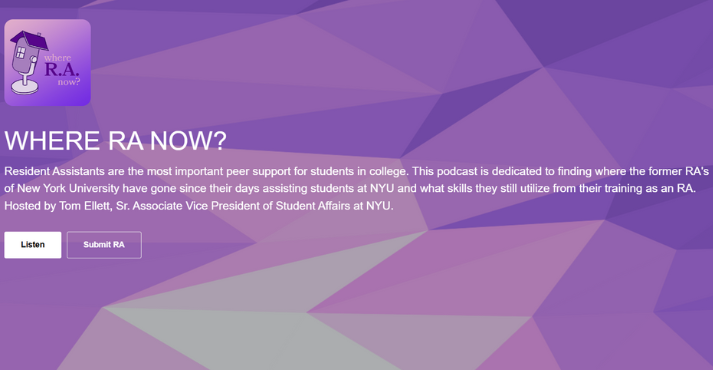
Instead of traditional educational content, it features authentic conversations about their post-graduation journeys and personal experiences.
This approach builds a deeper emotional connection with both current and prospective students.
Data-Driven Decision Making in Enrollment Strategies
Direct-to-consumer brands use consumer data to fine-tune their marketing and boost customer experience. They rely on insights from customer behavior to craft targeted messages and offers.
Given this, data-driven decision-making consists of five key components:
- Identify: Define data needs and use cases in a student enrollment and engagement strategy to ensure targeted and optimized data collection.
- Capture: Gather relevant student data from multiple sources such as applications, inquiries, and digital interactions while ensuring compliance with data privacy regulations.
- Analyze: Access and interpret data to identify student segments, predict enrollment trends, and uncover actionable insights for decision-making.
- Activate: Use insights to personalize student outreach, enhance engagement, and create meaningful experiences across digital platforms.
- Optimize: Implement a test-and-learn approach, continuously refining recruitment, marketing, and student support strategies to improve outcomes and institutional success.
Similarly, universities can adopt data-driven strategies by analyzing enrollment analytics and student behavior data to improve recruitment and retention.
Data-backed marketing allows universities to personalize outreach, ensuring that messages resonate with individual needs and increase student satisfaction.
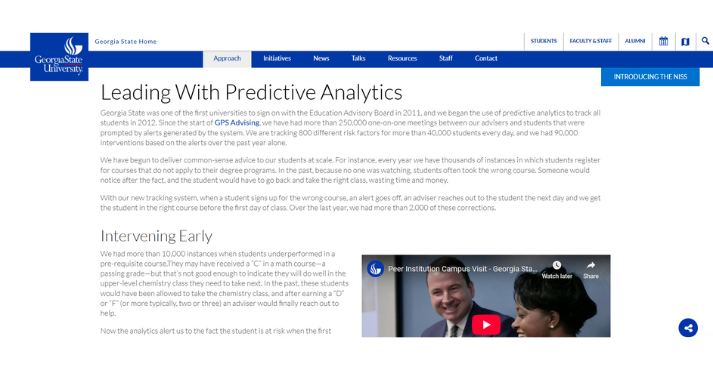
For example, Georgia State uses predictive analytics to analyze past student data, identify patterns, and forecast challenges students might face.
This helps the university provide early interventions, improving retention and graduation rates.
Simplifying the Enrollment Journey: A Seamless User Experience
DTC brands remove friction in the buying process.
They simplify every step from clear product information to one-click checkouts so customers can quickly and effortlessly complete their purchases.
Think of it like walking into a store where everything is intuitively organized and you can get what you need without any hassle.
Universities can adopt a similar approach to make the enrollment journey seamless.
Thus, by streamlining the application, admissions, and financial aid processes, schools can create an experience that feels just as smooth and user-friendly as shopping online.
Imagine a seamless application process where prospective students can easily find all the information they need, fill out applications step by step, and even check their financial aid status, all in one place.
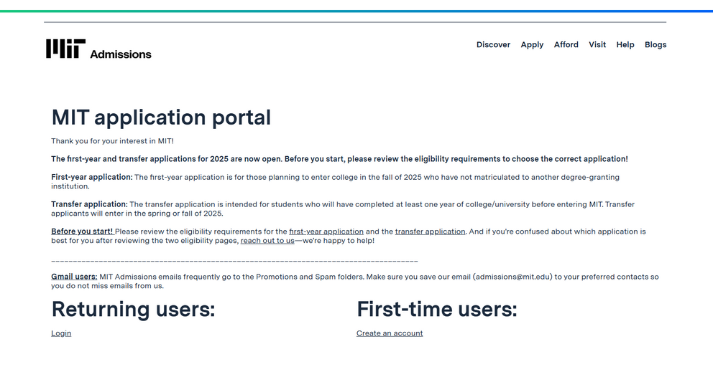
Source: MIT
MIT’s MyMIT system is a great example of streamlining the enrollment journey for a seamless user experience.
Applicants create a single account where they can easily input personal and academic details, answer short questions, write essays, and list extracurricular activities, all in one place.
The system also allows students to upload additional materials, such as portfolios or research papers, making it simple for them to showcase their full range of talents.
This integrated, user-friendly approach minimizes confusion and reduces required steps, aligning perfectly with modern, frictionless application processes.
Building Community and Fostering Engagement Beyond Admission
Direct-to-consumer (DTC) brands are experts at building communities around their products.
They do this by creating engaging social media content, hosting interactive events, and fostering user-generated conversations that make customers feel like part of a family.
These brands leverage loyalty programs, exclusive online groups, and personalized communications to keep their audience connected and invested.
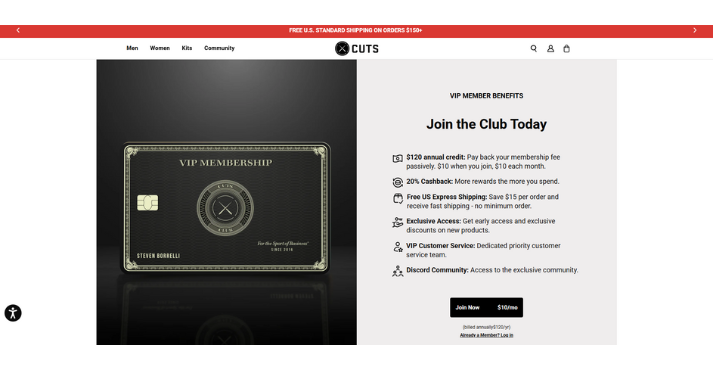
Source: Cuts
Cuts Clothing, a leading DTC brand, shows how to build strong communities by creating focused membership programs.
They offer two tiers, VIP and Legacy, that combine practical benefits with exclusive perks, making customers feel truly valued. This approach not only fosters a tight-knit community but also turns members into passionate brand advocates.
Therefore, universities can apply the same principles to create a vibrant, lifelong community from pre-enrollment to post-graduation.
Imagine a digital space where prospective students interact with current students, share their campus dreams, and get real-time answers, all before they even step foot on campus.
Once enrolled, this sense of belonging can grow through orientation programs, student clubs, and mobile platforms that make everyday campus life more connected.
Here are some strategies universities can adopt to build community and drive engagement:
- Prospective Engagement
Launch social media groups and virtual Q&A sessions where prospective students can connect with current students and alumni, building excitement and trust even before admission.
- Campus Life Integration
Develop user-friendly apps and online portals that allow students to share experiences, access campus resources, and participate in community events.
- Student Community Building
Support student clubs, mentorship programs, and peer networks that help students feel supported academically and socially, enhancing retention and overall satisfaction.
- Alumni Engagement
Create strong alumni networks that offer career advice, networking opportunities, and ongoing social events, turning graduates into enthusiastic brand advocates.
Given these community-driven enrollment strategies, universities can foster a more engaged, loyal, and connected student body, just as DTC brands successfully do with their customers.
Conclusion
To sum up, higher education institutions need to think like DTC brands to keep up with changing student expectations.
Just as DTC companies use personalized digital experiences, social media, and influencer marketing to build strong customer communities, universities can use similar strategies to attract and retain students.
For that, universities and colleges must simplify their application process, offer personalized communication, and create a vibrant community where prospective students feel welcomed even before they apply.
Plus, with data-driven insights, colleges can understand what students want and tailor their recruitment efforts accordingly.
This not only makes the enrollment journey smoother but also builds a lasting bond with students from day one through to graduation and beyond.
Therefore, universities and colleges must start treating students as customers, making it essential to adopt this approach for future growth.

Manno Notermans
I’m Manno, co-founder and CSO at Think Orion. I work with universities, exam prep companies, and course creators to use insight-led marketing that reflects how people choose what to learn. Most of my work comes down to understanding those choices and helping education brands align with them. At Think Orion, we use research, creative strategy, and clear systems to help good programs reach the right students.
View LinkedIn profile