
Leads are cheap.
Qualified conversations are the only metric to focus on.


Admissions teams have limited hours for calls. We score intent, fit and follow-up before a lead reaches them, so the people who get a call are the ones most likely to enroll.
enrolled
Avado Learning
partnered with










Why more leads change nothing
The form arrives before understanding
The ad promises one thing and the page explains another. People submit details without knowing what they are signing up for.
Every submission looks the same
Your dashboard counts a form as success without recording understanding, program interest or a desire to learn more.
Follow-up starts without context
Admissions sees contact details but not what the person understood, what interested them or what they want to ask.
They understand the program.
They’re willing and able to invest.
A qualified conversation is a form submission from someone who understands the program, is interested in joining, wants to learn more, and is willing and able to pay for it.
- 01They submit the form.
- 02They understand the program.
- 03They are interested in joining.
- 04They want to learn more.
- 05They are willing and able to pay.
Creative that starts qualified conversations
Faculty, admissions, alumni and clear program proof help people understand the offer before the form. Each concept comes from program research and tests one claim. We produce the work in-house and edit the people and substance you provide.

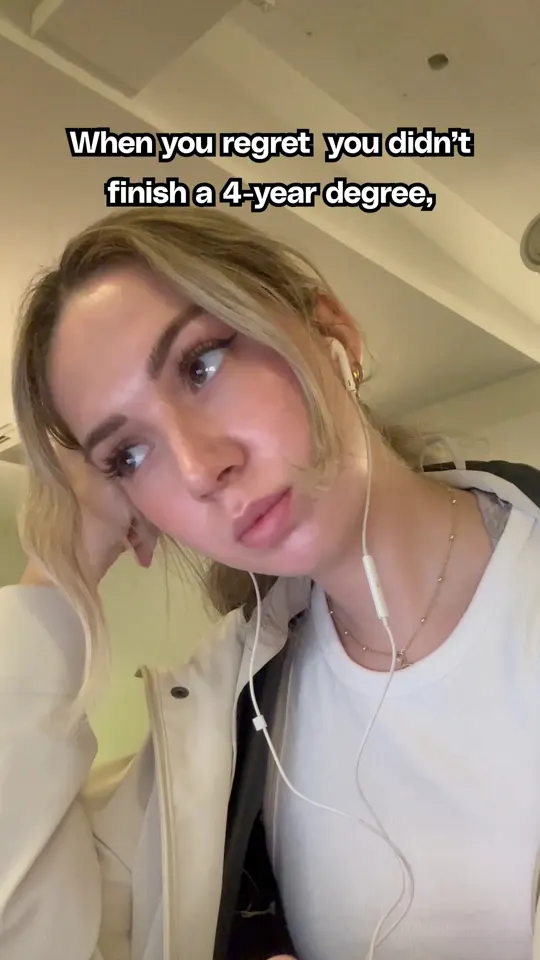


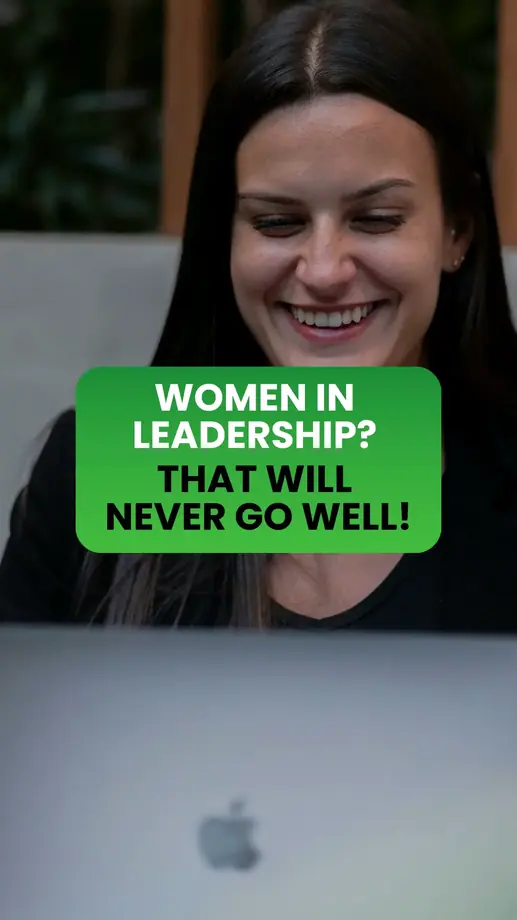

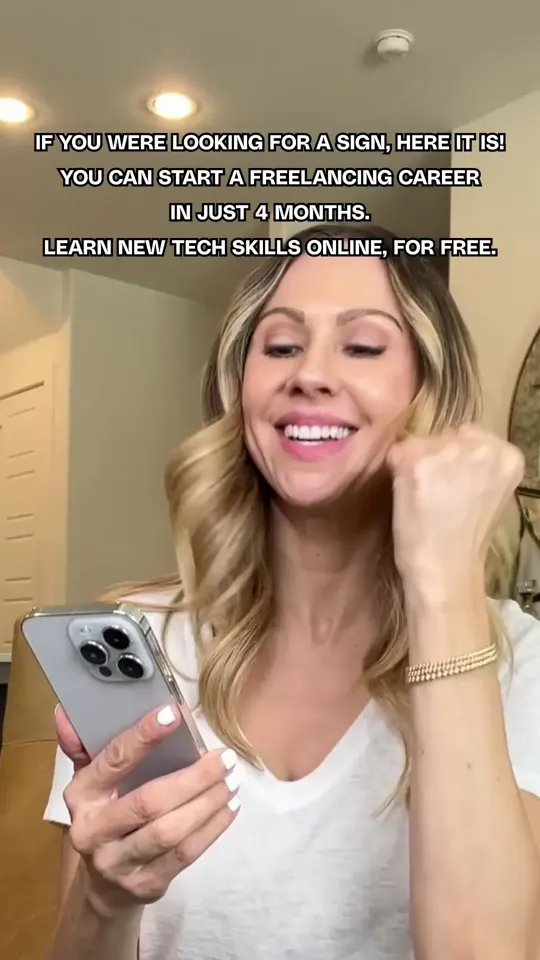
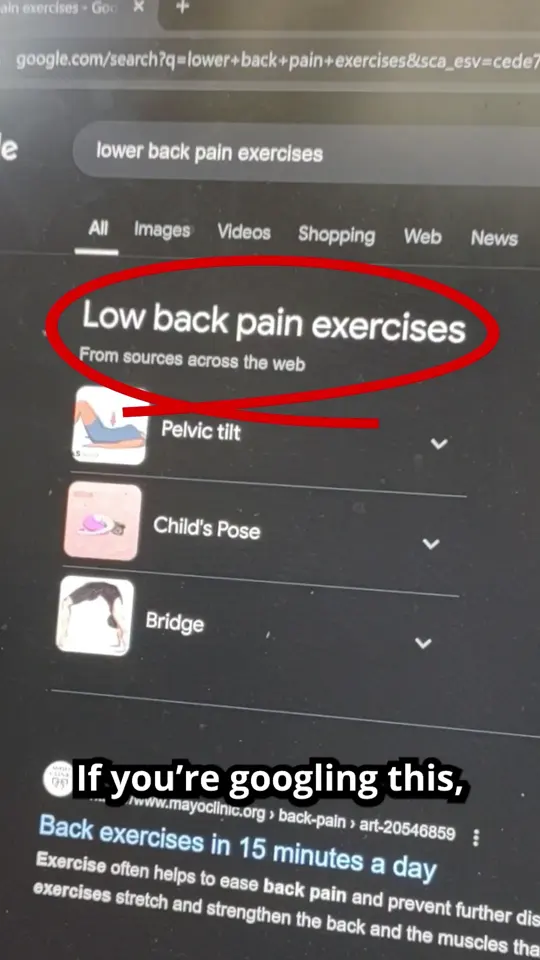
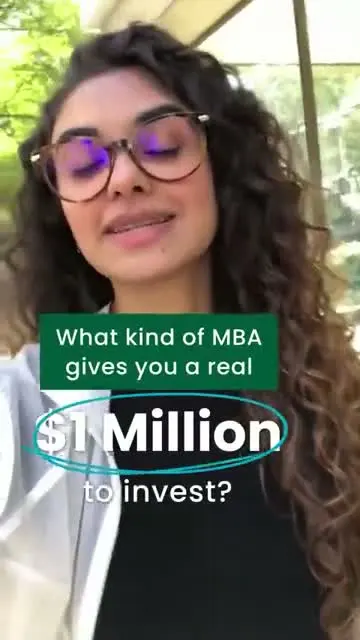
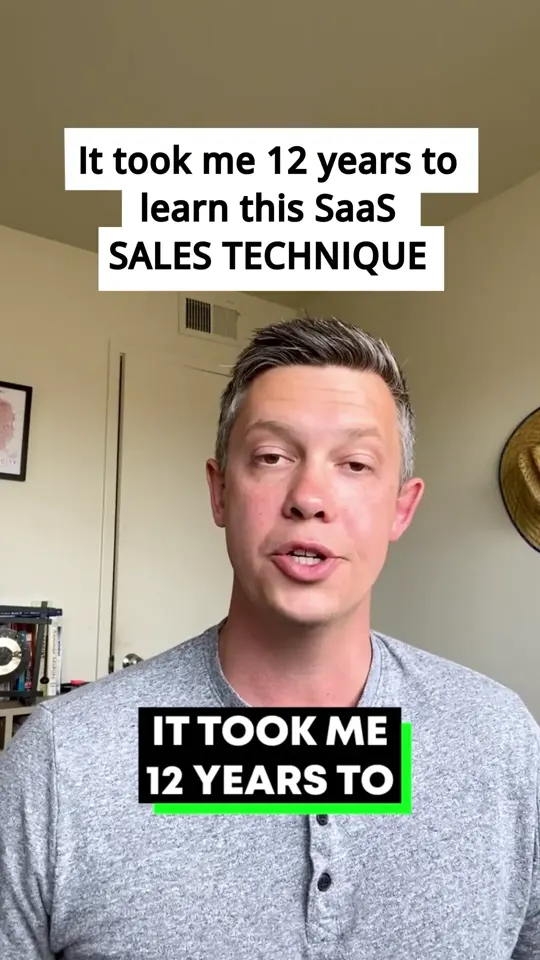
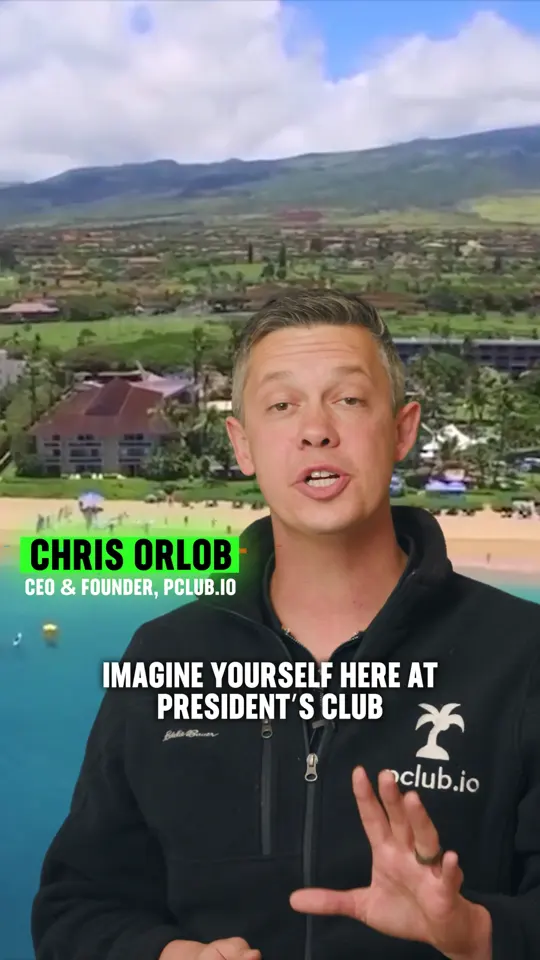
The other half is where it lands.
The work
Six steps to better qualified conversations
Six steps, run against your enrollment calendar. We need access to the CRM, content only your program can make, and time with the people who speak to your inquiries.
-
Step 01 of 06
Research
Before anything is made, we research who enrolls and why, what people compare you against, what proof holds up, and what your CRM history says about the journey. We agree how to record a qualified conversation: a submitted form from someone who understands the program, is interested, wants to learn more, and is willing and able to pay.
What you get
- A research document per program
- Competitor and proof review
- Qualification evidence agreed with admissions
-
Step 02 of 06
Student profiling
From that research we choose one or two profiles per program and write the message for each: one claim, the evidence behind it, and the objection it needs to answer. We agree the form questions and follow-up context that establish all five qualification criteria.
What you get
- Profiles and messaging
- Qualification questions and evidence fields
- Channel and budget plan
-
Step 03 of 06
Landing pages and VALA
We build program pages and a VALA funnel that makes the offer and next step clear before the form. Questions and responses provide evidence that the person understands what they signed up for, is interested, wants to learn more, and is willing and able to pay. Submission and qualification are recorded separately in the agreed CRM handover.
What you get
- Landing pages built and tested
- Qualification evidence in your CRM
- Nurture matched to the decision window
-
Step 04 of 06
Creatives
We produce ads in-house and bring in creators where the brief calls for it: faculty, admissions or alumni on camera, an honest look at the program before the form, plus statics and UGC. What you record, we script and edit. Each asset tests one hypothesis about what builds understanding and interest.
What you get
- Static, UGC and high-production ads
- New hooks tested
- Ad copy and landing page copy
-
Step 05 of 06
Paid Advertising
We run the channels that fit the program, with the accounts in your name. Google reaches people already searching; Meta and YouTube can build understanding earlier; LinkedIn supports professional programs. Budget follows qualified conversations and their cost, as often as your approval cycle allows.
What you get
- Campaign build and management in your accounts
- Budget shifts informed by qualification
- Qualified conversations and their cost, reported
-
Step 06 of 06
Feedback loop
We read qualification evidence and cost by source from the CRM, alongside what admissions hears. Applications and enrollments show what happens later. The responses, objections and questions become inputs for the next round of research, pages and creative.
What you get
- Regular readout against targets
- A recap your leadership can read
- Research updated every cycle
Each cycle starts from what the last one proved
Make the program clear. Earn interest before the form. Give admissions the context for a useful follow-up.
See it in the numbers →Teams that demanded better


Results from earlier client work, shown with the metrics and program scope those campaigns measured.
“They managed to turn things around for our campaigns in a short span of time. Creative, great insights and a constant flow of communication make it awesome to work with them.”

“We could take our hands off, trust the team and see the results. Our meetings feel more like strategy sessions than reports.”
Education is all we do
A clear definition of qualified
A form from someone who understands the program, is interested, wants to learn more, and is willing and able to pay. A booked or completed call is not a requirement.
Evidence behind the count
Form questions, responses and follow-up context establish understanding, interest, the request to learn more, and willingness and ability to pay. A submit event by itself does not establish all five criteria.
A report your team can use
Qualified conversations and their cost sit alongside raw lead volume. Applications and enrollments show what happens next, under their own metric names.
Questions we get from admissions teams
How do you get leads that enroll?
Start with understanding and interest before the form. We research the program and the people it is for, make the offer and next step clear, then record the five qualification criteria: a submitted form, understanding of what they signed up for, interest in joining, a desire to learn more, and willingness and ability to pay. Admissions follows up with that context. Applications and enrollments are later outcomes we track separately.
What makes education lead generation different?
Someone is making a decision about their future, often over months. The message and program page need to explain what is being offered before asking for details. Qualification records understanding and interest; nurture answers the next questions, and admissions and marketing work from the same evidence.
Which platforms work for education lead generation?
Google reaches people already searching for the program type. Meta and YouTube can build attention and understanding earlier; LinkedIn can support professional and postgraduate programs. We test the mix against qualified conversations and their cost, with changes matched to your approval cycle.
What should we budget for lead generation?
Start with your current cost per qualified conversation, how many progress to application and enrollment, the value of an enrollment and the seats you need to fill. Those numbers set a useful range. If qualification is not yet recorded, the first step is to agree the evidence and establish a baseline.
Do you work with our CRM and admissions team?
Yes. We need access to the relevant CRM records and time with admissions to connect qualification and later outcomes. We agree the fields, evidence, access and handover with your team before launch. A submitted form is recorded separately from the evidence that someone understands the program, is interested, wants to learn more, and is willing and able to pay. No completed call is required to meet that definition.