
Every institution promises the same thing.
Applicants can’t tell you apart.


Applicants build their shortlist long before they apply. We reach them while they are forming opinions, with content that helps them decide, so your intake fills with students who already know your program.
enrolled
Udacity EGFWD national program
partnered with








Why enrollment numbers plateau
Interchangeable messaging
When you and your competitors all promise “career transformation”, applicants can’t tell one program page from another.
Leadership wants proof
Without clear reporting on qualified conversations and what happens next, the advertising budget becomes difficult to defend.
A stretched team
Paid advertising lands on top of an already full workload, and the work that needs thinking time is what gets dropped.
They understand the program.
They’re willing and able to invest.
A qualified conversation is a form submission from someone who understands the program, is interested in joining, wants to learn more, and is willing and able to pay for it.
- 01They submit the form.
- 02They understand the program.
- 03They are interested in joining.
- 04They want to learn more.
- 05They are willing and able to pay.
Creative that starts qualified conversations
Branded and UGC formats built for the feed, made in-house and tested against what your category is running. Faculty, student stories and clear program proof earn understanding before the form. Your brand team approves the work.
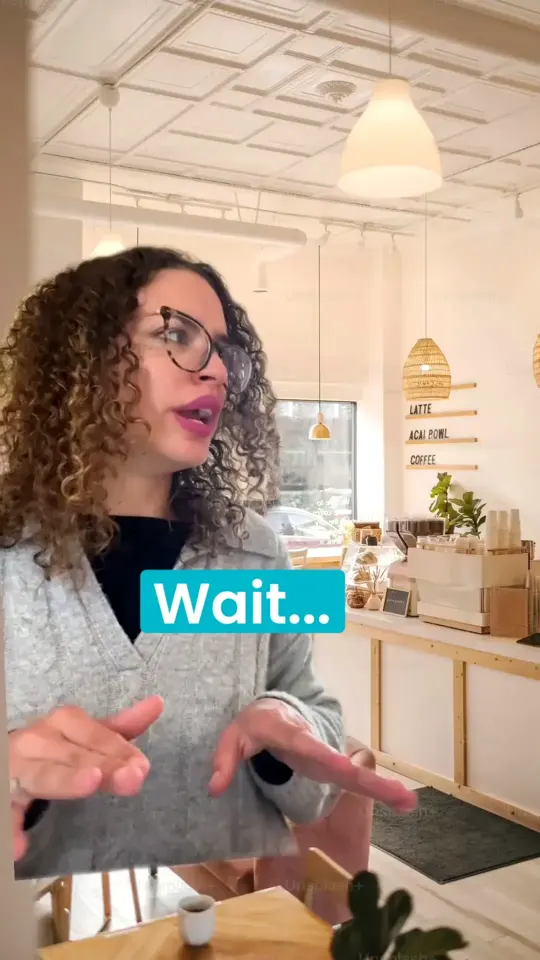
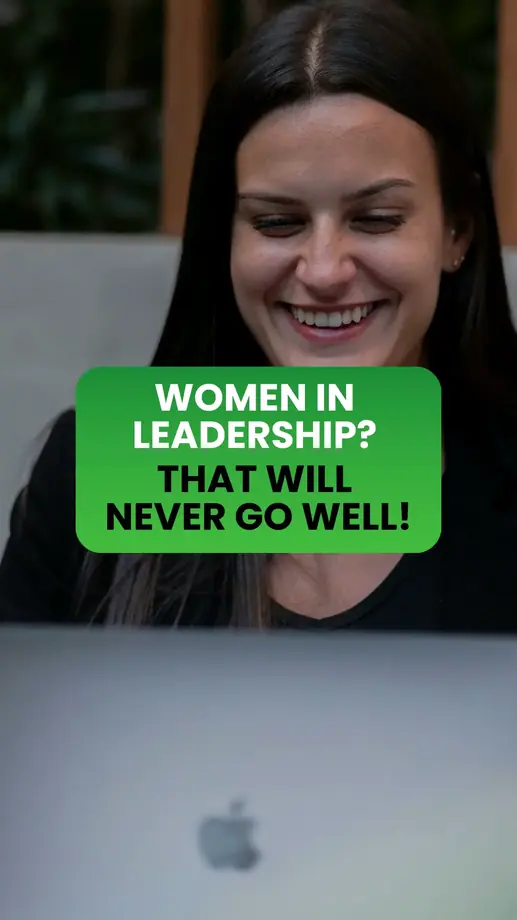
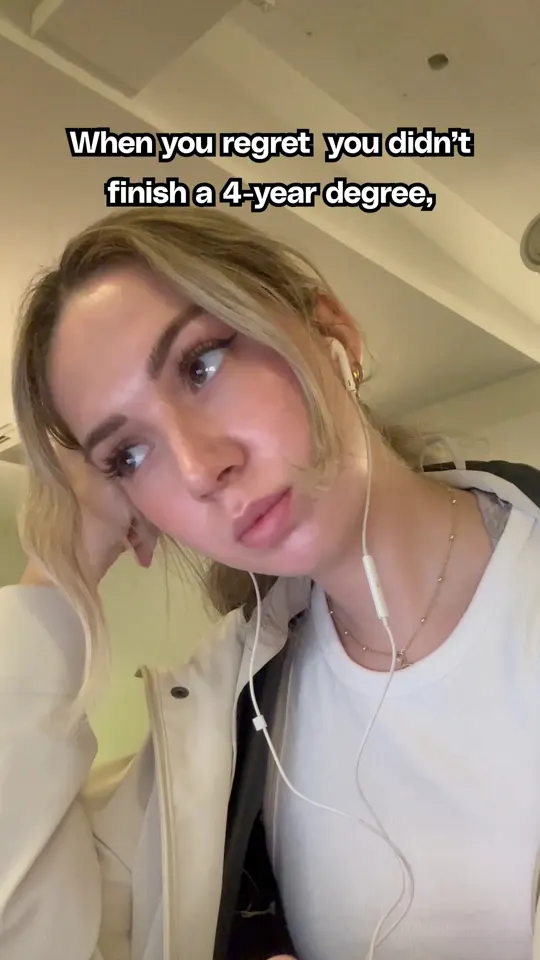
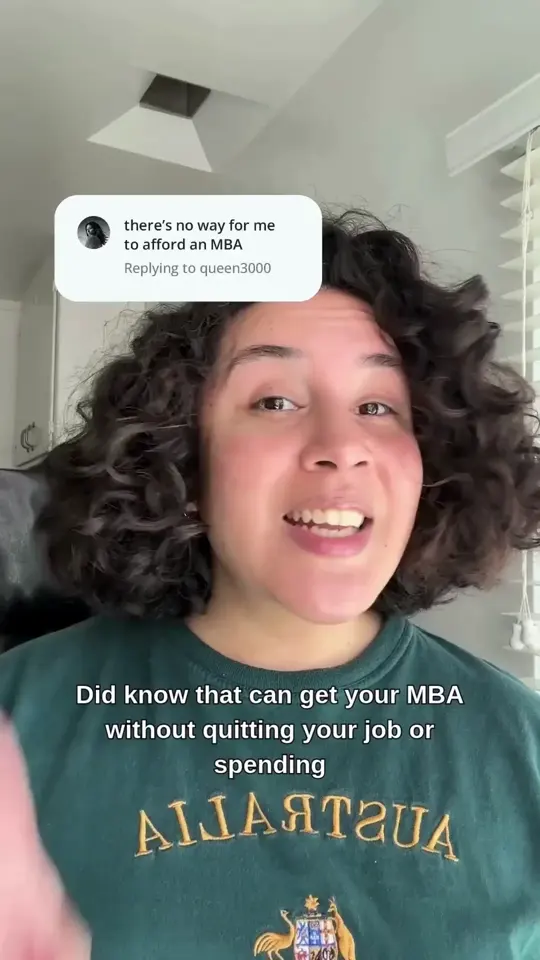
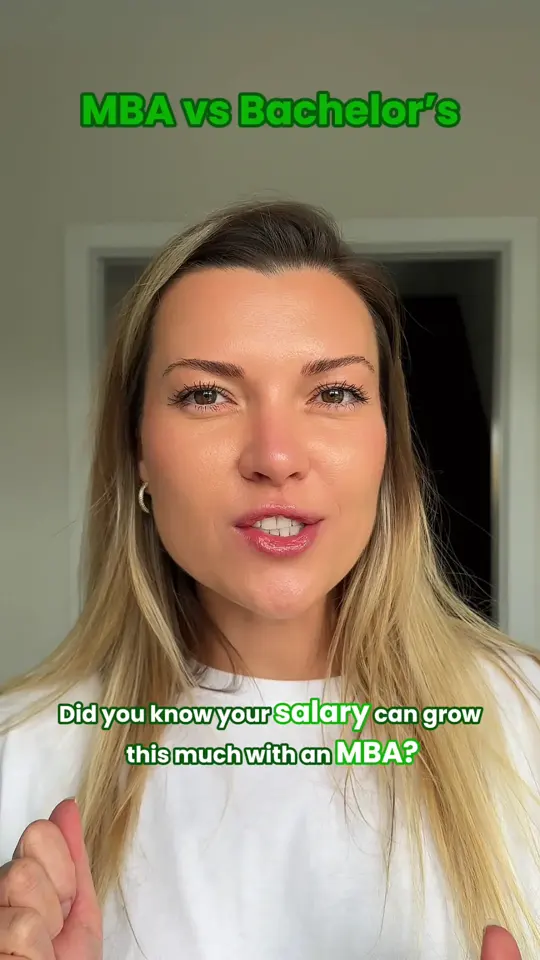

The other half is where it lands.
The work
Six steps, built around your intake
Six steps, run against your application calendar. What we need from you is content only your program can make: a professor or student on camera, and time with the people who speak to applicants.
-
Step 01 of 06
Research
Before anything is made, we research each program: who applies and why, how aware they are, which institutions they compare you against, what proof holds up, and how prospective students talk about the decision. Applicant data and past campaigns go in too.
What you get
- A research document per program
- Competitor and proof review
- Applicant language, in their own words
-
Step 02 of 06
Student profiling
From that research we choose one or two applicant profiles per program and write the message for each: one claim, the proof behind it, and the objection it has to answer.
What you get
- Applicant profiles and messaging
- One claim per program with its proof
- Channel and budget plan by start date
-
Step 03 of 06
Landing pages and VALA
We build mobile-first program pages and a VALA funnel that explains the offer and asks useful questions. The form captures people who understand what they signed up for, are interested in joining, want to learn more, and are willing and able to pay for it. We agree the qualification fields and CRM handover with your team.
What you get
- Landing pages built and tested
- Qualification fields and CRM handover
- Email and SMS nurture matched to the intake
-
Step 04 of 06
Creatives
We produce ads in-house and bring in creators where the brief calls for it: a professor or program director on camera, a student's story, an honest look at what the program asks, plus statics and UGC. What you record, we script and edit. Each asset tests one hypothesis.
What you get
- Static, UGC and high-production ads
- New hooks tested
- Ad copy and landing page copy
-
Step 05 of 06
Paid Advertising
We run the channels that fit the program, with the accounts in your name. Research determines the role of Search, LinkedIn, Meta and video. Budget moves toward qualified conversations and their cost, as often as your approval cycle allows.
What you get
- Campaign build and management in your accounts
- Budget shifts informed by qualification
- Qualified conversations and their cost, reported
-
Step 06 of 06
Feedback loop
We review form responses, qualified conversations and their cost alongside what admissions hears. Applications and enrollments show what happens next. Those findings feed back into the research and the next round of creative.
What you get
- Regular readout against agreed targets
- A recap your leadership can read
- Research updated every cycle
Each cycle starts from what the last one proved
Earn understanding and interest. Measure qualified conversations. Use what admissions learns in the next intake.
See it in the numbers →Institutions and programs that demanded better
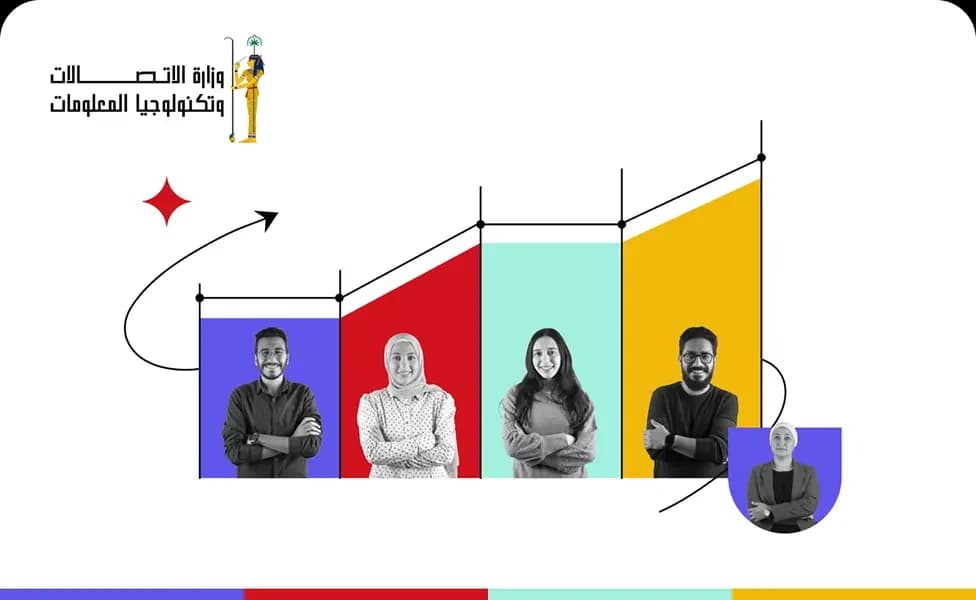


Institutions and national programs, with the metrics those campaigns measured.
“They managed to turn things around for our campaigns in a short span of time. Creative, great insights and a constant flow of communication make it awesome to work with them.”

“They are experts and they are reliable. They know where the deficiencies and the challenges are, and try a lot of things proactively.”
Education is all we do
We understand institutional dynamics
Enrollment cycles, faculty committees and accreditation timelines are familiar ground. We research your institution and program before deciding what to run.
We move fast inside slow approvals
We agree the brand guardrails and review process with your team, then test inside them. Creative is prepared in parallel so the next round is ready for approval.
We make your case to leadership
Leadership-ready reporting shows qualified conversations and their cost, with applications and enrollments recorded separately so the full journey stays visible.
Questions we get from university teams
How do we promote individual programs effectively?
One program, one applicant profile, one claim. We research who applies to that program and why, write the claim that survives contact with a skeptical applicant, and give it its own creative and landing page rather than a slot in a portfolio campaign. Programs that share an applicant can share a funnel; programs with different buyers can't.
We run twenty programs across several faculties. How does that work?
As one portfolio with two layers. A university-level layer earns attention for the online unit or the institution, and every program benefits from it. Each program keeps its own research, so a nursing diploma and an executive MBA never share an audience or a message by accident. Program-level funnels run for the programs whose economics can carry their own budget, ranked by demand and margin and timed to each intake date. Reporting is per faculty, so each dean sees their programs, and rolled up for the unit.
What makes higher ed different from other education marketing?
The length of the decision and the number of people in it. An applicant compares for months, often with a parent or employer involved, against a fixed intake date. We earn attention early, make the program clear before the form, and agree what a qualified conversation means with marketing and admissions. Applications and enrollment remain later stages of that journey.
Which platforms work for university recruitment?
The mix follows the program and its applicants. Meta and YouTube can earn attention before a search, LinkedIn reaches professional and postgraduate audiences, and Google captures people already comparing. We test the mix against qualified conversations and their cost, with budget changes matched to your intake and approval cycle.
What should a university budget?
Start from the program’s economics: what qualified conversations cost today, how many become applications and enrollments, what an enrollment is worth, and how many seats the intake has to fill. Those numbers set the budget. Where data is missing, we agree an initial test range and replace assumptions with your own results.
When do we need to start before an intake?
Plan at least one intake ahead where possible. The first two weeks go on diagnosis and measurement; the work that earns attention needs to cover the applicant’s decision window. Starting a month before the deadline limits the time to build understanding and leaves more of the budget competing for people already searching.
How does this fit our CRM and our data rules?
We agree the fields, qualification evidence and CRM handover with admissions and your IT and data protection team before launch. Ad accounts stay in your institution’s name with our team given the access it needs. We also agree the creative review process, brand guardrails and accessibility requirements. A form submission is recorded separately from evidence that someone understands the program, is interested, wants to learn more, and is willing and able to pay.
Can you help us launch a brand new program?
Yes, with one condition: we test the demand before we spend on it. The research for the new program, built from applicant interviews, search data, the competitor set and how prospective students talk about the problem it solves, tells us whether it has a buyer and what that buyer needs to believe. If the answer is yes, the launch plan follows. If it's no, you'll hear that from us before the budget goes in.