
The date won’t move.
Most promotions start too late.


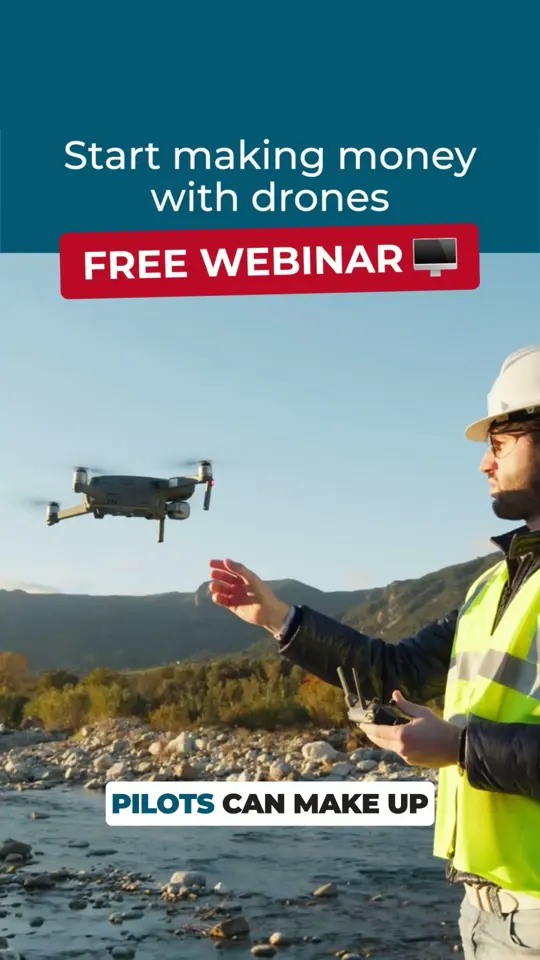
A full room takes weeks of promotion, from announcement to final countdown. We fill open days, webinars, conferences and summits, and measure success by the people who show up.
Evenant
for Marriott
partnered with










Why events sell half the seats
Promotion starts too late
By launch day the people you wanted have already committed to a competing date.
One plan, two audiences
Academics live on LinkedIn and students scroll TikTok, so one campaign for both reaches neither.
Momentum dies
Early birds come easily. The second wave needs a push most teams can't sustain.
They understand the program.
They’re willing and able to invest.
A qualified conversation is a form submission from someone who understands the program, is interested in joining, wants to learn more, and is willing and able to pay for it.
- 01They submit the form.
- 02They understand the program.
- 03They are interested in joining.
- 04They want to learn more.
- 05They are willing and able to pay.
Creative that earns registrations
Branded, UGC and high-production formats built for the feed, made in-house and tested against what your category is running. Each concept comes from research into the program, its audience and the proof behind the message. You approve the work; we script, produce and edit.



The other half is where it lands.
The work
Six steps, built backwards from the date
Six steps, built backwards from the event date. What we need from you is some content only your event can make, a speaker or an organizer who'll go on camera, last year's numbers, and time with the people who hear from attendees.
-
Step 01 of 06
Research
Before anything is made, we research the event: who attends and what makes them register, how aware they are, which dates and events you compete with, what proof holds up, and why last year's attendees came back or didn't. Past registration data and ticket sales go in too.
What you get
- A research document per event
- Competing-event and proof review
- Attendee language, in their own words
-
Step 02 of 06
Audience profiling
From that research we choose one or two attendee profiles and write the message for each: one claim, the proof behind it, the objection it has to beat, and a promotion calendar built backwards from the date.
What you get
- Attendee profiles and messaging
- Promotion calendar, announcement to countdown
- Channel and budget plan by phase
-
Step 03 of 06
Landing pages and VALA
We build pages that make the audience, agenda, speakers, date and registration clear. A visitor may explore the agenda, ask about the program or buy a ticket. A qualified program inquiry requires a submitted form, program understanding, interest, a request to learn more, and willingness and ability to pay. Ticket purchases and event registrations retain their own metric labels.
What you get
- Event pages built and tested
- Clear registration and program inquiry journeys
- Confirmation and reminder content by email and SMS
-
Step 04 of 06
Creatives
We produce most of the ads in-house and bring in creators where the brief calls for it: speakers and last year's attendees to camera, a look at what the day is and who it's for, plus statics and UGC. What you record, we script and edit. New hooks tested frequently, one hypothesis per asset.
What you get
- Static, UGC and high-production ads
- New hooks tested
- Ad copy and landing page copy
-
Step 05 of 06
Paid Advertising
We run the channels that fit the audience, with the accounts in your name: LinkedIn for professional and trade audiences, Meta for consumer and student events, Google for people already searching the topic, YouTube for speaker and recap content. Budget moves by phase, from announcement to countdown, toward what's producing registrations.
What you get
- Campaign build and management in your own accounts
- Budget shifted by phase toward what's producing registrations
- Cost per registration and cost per attendee, reported
-
Step 06 of 06
Feedback loop
We review registrations, attendance and ticket revenue by channel, plus what attendees say on the day. Those findings feed the next edition. Where an event supports a wider education program, qualified inquiries about that program are recorded separately.
What you get
- Regular readout against targets
- A post-event recap for your stakeholders
- Research updated for the next edition
Each cycle starts from what the last one proved
Earn attention early. Make registration clear. Follow through to attendance and use what you learn for the next edition.
See it in the numbers →Events that demanded better
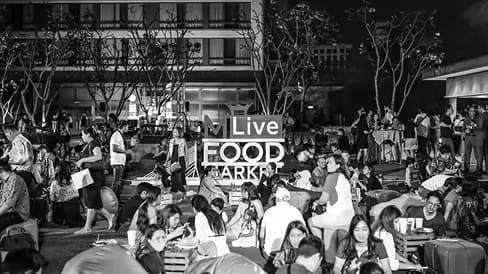
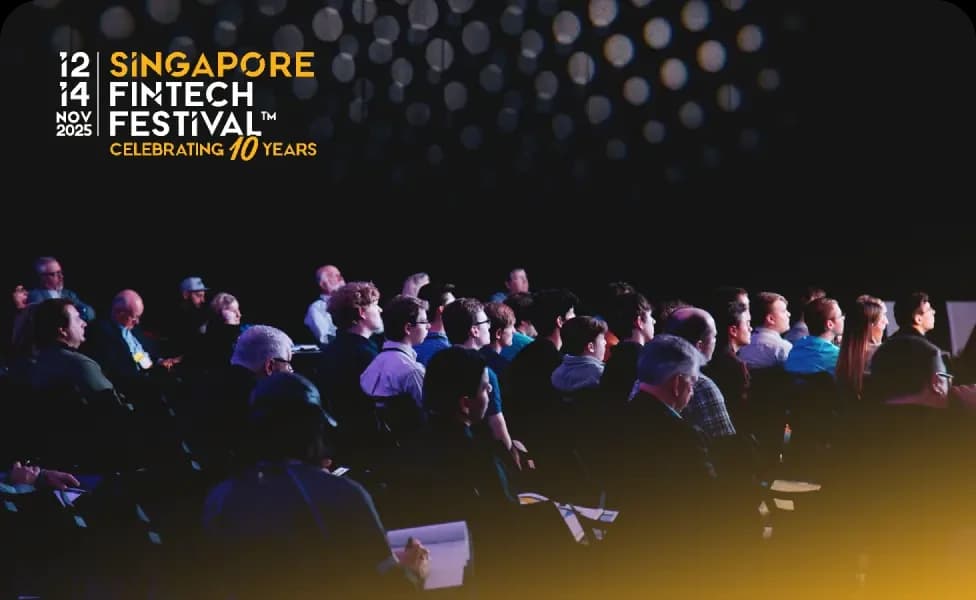
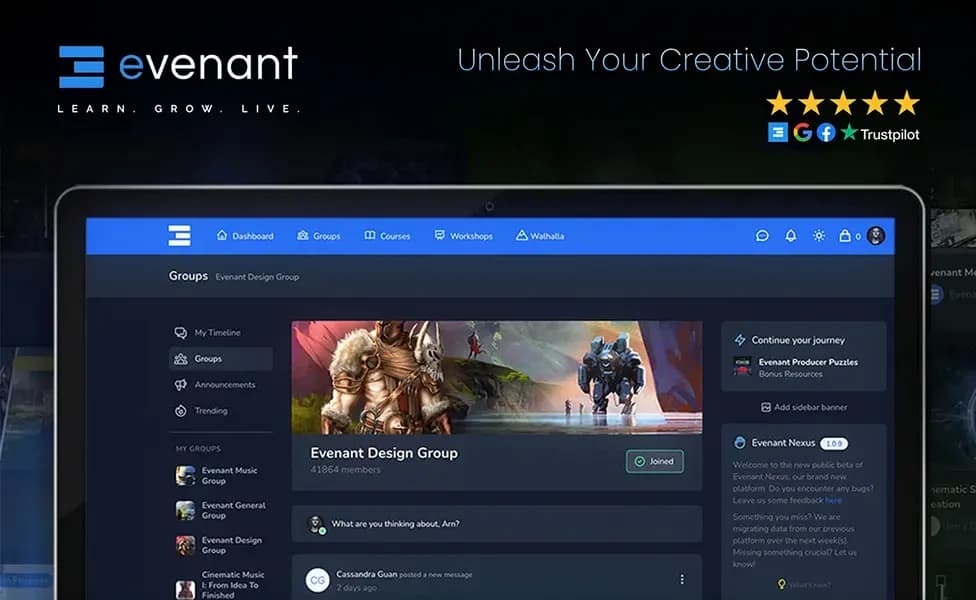
Results from earlier client work, shown with their original metrics and program scope.
Education is all we do
A plan built around the date
Open days, webinars and professional events need a message, audience and promotion calendar that fit the event.
A clear next step
The page should explain the audience, agenda and registration. Program inquiries are qualified separately from ticket purchases.
Results your stakeholders can read
Registrations, attendance and their costs show how the event performed, with program inquiries recorded separately.
Questions we get from event teams
When should promotion start?
The day the date is set. The people you want are choosing between competing dates weeks before launch, so the first phase earns their attention while their calendar is still open, the second converts registrations, and the final countdown protects attendance. Most teams start at the second phase and wonder where the first wave went.
What makes event marketing different from other education marketing?
The deadline is absolute and the result is attendance rather than registrations. That means the campaign is built backwards from the date in phases, audiences are separated because academics and students live on different platforms, and the work continues after the registration to make sure the seat is filled on the day.
Which platforms work for education events?
LinkedIn can reach academic, professional and employer audiences; Meta and TikTok can reach student audiences; YouTube can carry speaker and recap content; Google captures people already searching the topic. The mix follows the promotion phase, with registration and attendance measured separately from any qualified program inquiries.
What should we budget for an event?
Start from the seats and what an attendee is worth to you, whether that is a ticket price, an applicant or a partnership. From those numbers and last year's cost per attendee, the range follows. Where there is no history we set it from comparable events and replace it with your own data during the first phase.
Do you promote webinars and virtual events?
Yes, and they need the same phases. Registrations for a webinar are easy and attendance is the hard part, so the work is in the reminders, the pre-event content that gives people a reason to show up live, and the follow-up that turns the recording into the next registration or application.