
Your students have a deadline.
Your marketing needs one too.


Test-takers start looking for a course when the exam date begins to worry them. Your pass rates, score gains and instructors reach them at that moment, and we report the result in enrollments and revenue.
enrolled
UAV Coach
prep partnership










Why exam prep marketing is different
Score promise fatigue
The whole category promises better scores, so from the outside you all sound like the same ad.
The wrong audience
Your spend reaches browsers rather than people with a test date circled on a calendar.
Proof stays buried
Your pass rates live on an About page, and the decision gets made somewhere else entirely.
They understand the program.
They’re willing and able to invest.
A qualified conversation is a form submission from someone who understands the program, is interested in joining, wants to learn more, and is willing and able to pay for it.
- 01They submit the form.
- 02They understand the program.
- 03They are interested in joining.
- 04They want to learn more.
- 05They are willing and able to pay.
Creative that earns enrollments
Branded, UGC and high-production formats built for the feed, made in-house and tested against what your category is running. Each concept comes from research into the program, its audience and the proof behind the message. You approve the work; we script, produce and edit.
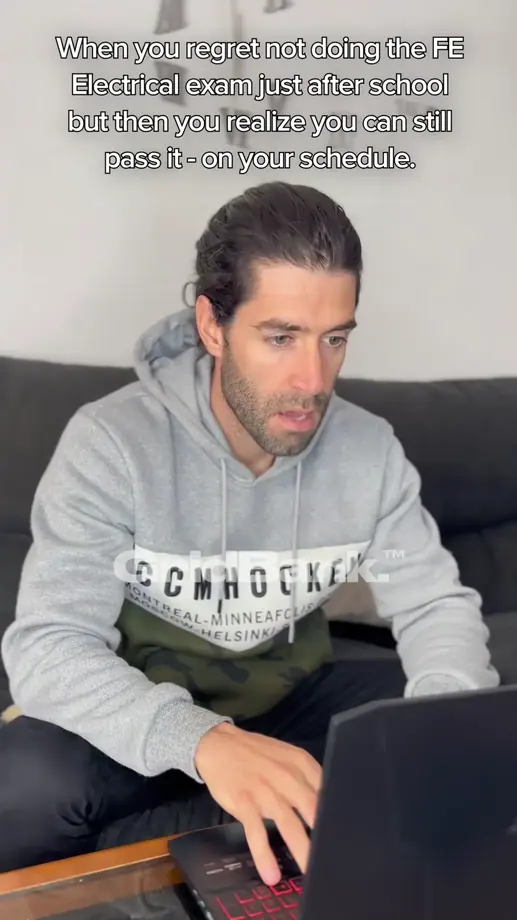

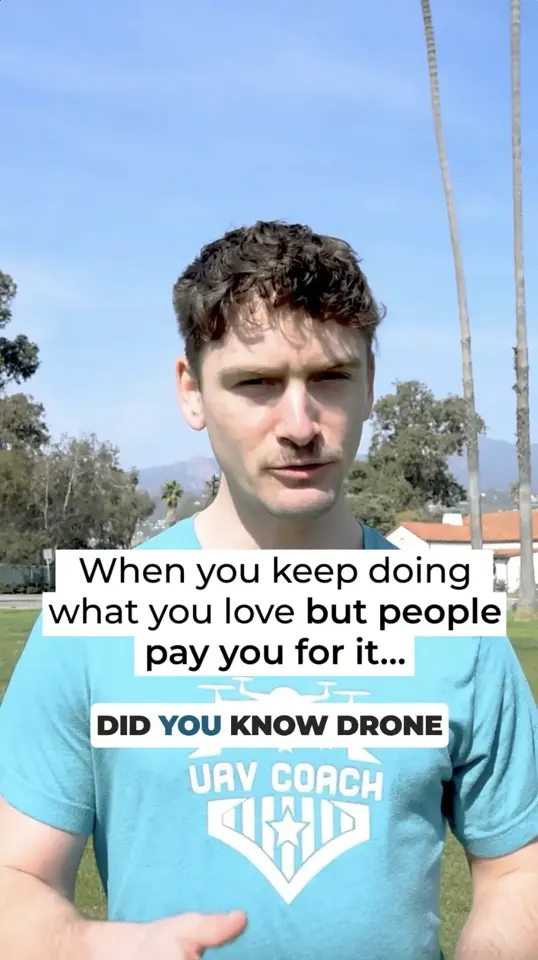




The other half is where it lands.
The work
Six steps, timed to the exam
Six steps, run against the exam calendar. What we need from you is some content only your course can make, an instructor who'll go on camera, and time with the people who speak to your students.
-
Step 01 of 06
Research
Before anything is made, we research the prep course: who sits the exam and why now, how aware they are, which providers they compare you against, what proof holds up, and how candidates talk about the fear of failing. Anything you already have, from past students to old campaigns, goes in too.
What you get
- A research document per prep course
- Competitor and proof review
- Candidate language, in their own words
-
Step 02 of 06
Student profiling
From that research we choose one or two candidate profiles per exam and write the message for each: one claim, the proof behind it, the objection it has to beat.
What you get
- Candidate profiles and messaging
- One claim per exam with its proof
- Channel and budget plan by exam date
-
Step 03 of 06
Landing pages and VALA
We build mobile-first course pages and a VALA funnel that explains the exam, preparation and next step. A practice test or study plan can help someone learn before they buy. For inquiries, qualification means a submitted form from someone who understands the program, is interested, wants to learn more, and is willing and able to pay. Purchases remain course sales.
What you get
- Course pages built and tested
- Qualification fields for inquiries and useful early content
- Nurture matched to the exam date
-
Step 04 of 06
Creatives
We produce most of the ads in-house and bring in creators where the brief calls for it: an instructor to camera, a student's pass story, a study plan that fits the weeks they have left, plus statics and UGC. What you record, we script and edit. New hooks tested frequently, one hypothesis per asset.
What you get
- Static, UGC and high-production ads
- New hooks tested
- Ad copy and landing page copy
-
Step 05 of 06
Paid Advertising
We run the channels that fit the exam, with accounts in your name: Google for candidates comparing, Meta and YouTube for instructor and pass-story content, and LinkedIn where professional certification fits. We track qualified conversations for inquiry campaigns and enrollment economics for direct purchases, with budget changes matched to the exam calendar.
What you get
- Campaign build and management in your accounts
- Budget review matched to the exam calendar
- Qualified inquiry cost and direct-sale economics
-
Step 06 of 06
Feedback loop
We review qualified inquiries, enrollments and their costs under separate metric names, alongside what your team hears from candidates. Those findings feed the research and the next round of creative before the next exam window.
What you get
- Regular readout against targets
- A recap you can share
- Research updated every cycle
Each cycle starts from what the last one proved
Reach candidates before the deadline. Use what they ask and what they buy to improve the next exam window.
See it in the numbers →Programs that demanded better


Results from earlier client work, shown with their original metrics and program scope.
“Working with Think Orion for 7 years. I was their first education client and we are still going strong.”

“We could take our hands off, trust the team and see the results. Our meetings feel more like strategy sessions than reports.”
Education is all we do
We know exam-taker questions
Candidates need proof they can check: a real instructor, an honest pass rate and a plan that fits the time they have left.
Research before the campaign
The exam date, candidate profile and alternatives shape the message and where we put it.
Your proof, made visible
Pass rates, score gains and instructor credentials belong in the moment of comparison.
Questions we get from exam prep teams
How do you reach students who have never heard of us?
Before they search. Most candidates decide how to prepare in the few weeks after registering for the exam, and they see providers on social long before they type a query. We put instructor and pass-story content in front of people who fit the profile (the exam, the career stage, the timing), so when they start comparing you're a name they've already seen, and search catches the rest.
What makes exam prep different from other education marketing?
The deadline does the selling, so the job is timing and proof rather than persuasion. Candidates are risk-averse and comparing in the evenings after work, and they want to see pass rates, a real instructor and a plan that fits the weeks they have left. Marketing that ignores the exam calendar spends through the months when nobody is deciding and misses the weeks when everyone is.
Which platforms work for exam prep?
Meta and YouTube for reach in the weeks after exam registration opens, LinkedIn for professional certifications where an employer may be paying, and Google for candidates already comparing providers. The mix follows the exam calendar and is reviewed against results and your approval cycle against enrollments rather than clicks.
How fast do enrollments move?
Faster than in most education categories, because the exam date is fixed and close. Once tracking is tied to enrollments rather than form fills, the first cycle shows which profiles and messages convert inside the current exam window, and the next window starts from that instead of from scratch.
Can a small program compete with the big names?
Yes, on specificity. The big names have to speak to everyone, so their ads are generic. A smaller program can win a segment by naming it: one exam, one career stage, one instructor's face, and pass rates a candidate can check. Being the obvious choice for a well-defined group beats being a distant option for all of them.