
Built for career advancement.
Marketed to fill every cohort.


Working professionals ask three questions before paying for a certification: Which employers recognize it? What does it do for their career? How much time does it take? We answer them before the comparison starts.
enrolled
Avado Learning
partnered with










Why certification programs stall
Credential overload
Micro-credentials flood every feed, and from the outside your program reads like all the others.
The trust gap
Professionals won't spend their own money unless employers visibly value the credential.
One message, two buyers
Career changers and senior professionals need different arguments, and most campaigns pick neither.
They understand the program.
They’re willing and able to invest.
A qualified conversation is a form submission from someone who understands the program, is interested in joining, wants to learn more, and is willing and able to pay for it.
- 01They submit the form.
- 02They understand the program.
- 03They are interested in joining.
- 04They want to learn more.
- 05They are willing and able to pay.
Creative that starts qualified conversations
Branded, UGC and high-production formats built for the feed, made in-house and tested against what your category is running. Each concept comes from research into the program, its audience and the proof behind the message. You approve the work; we script, produce and edit.

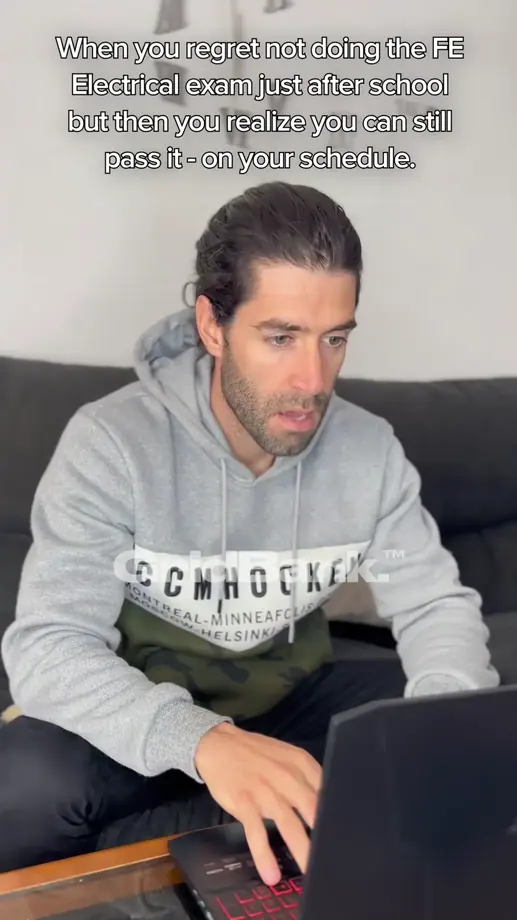

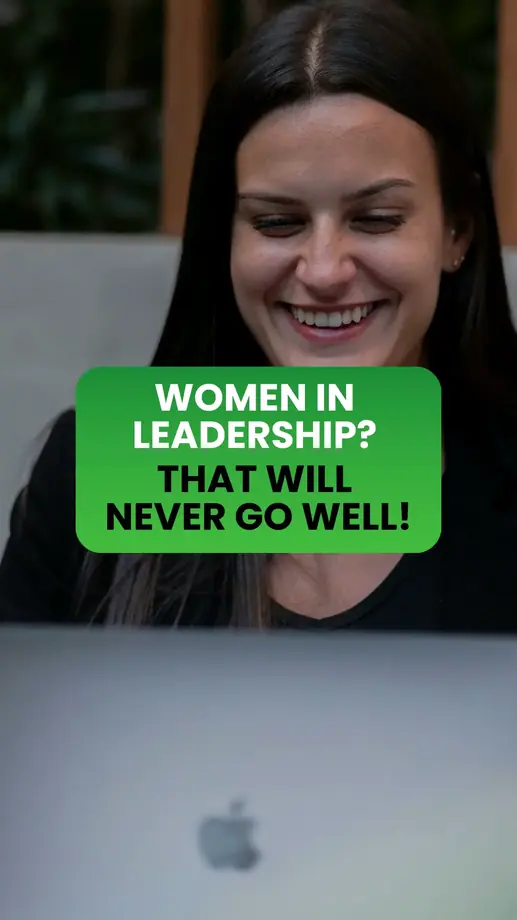
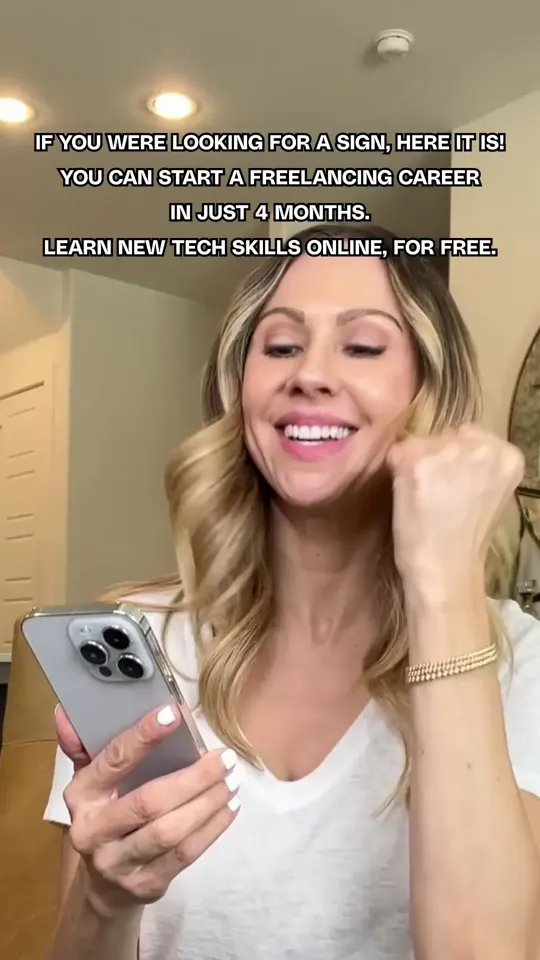
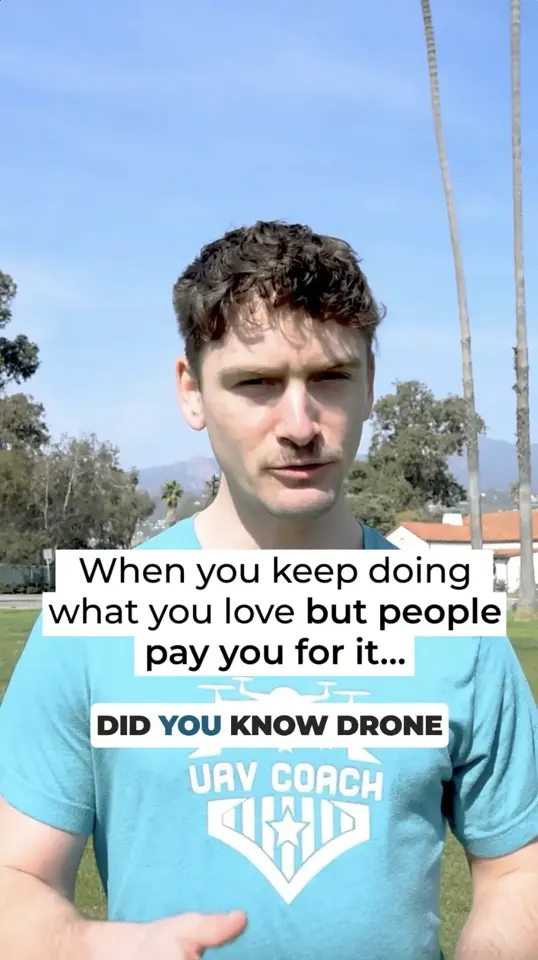
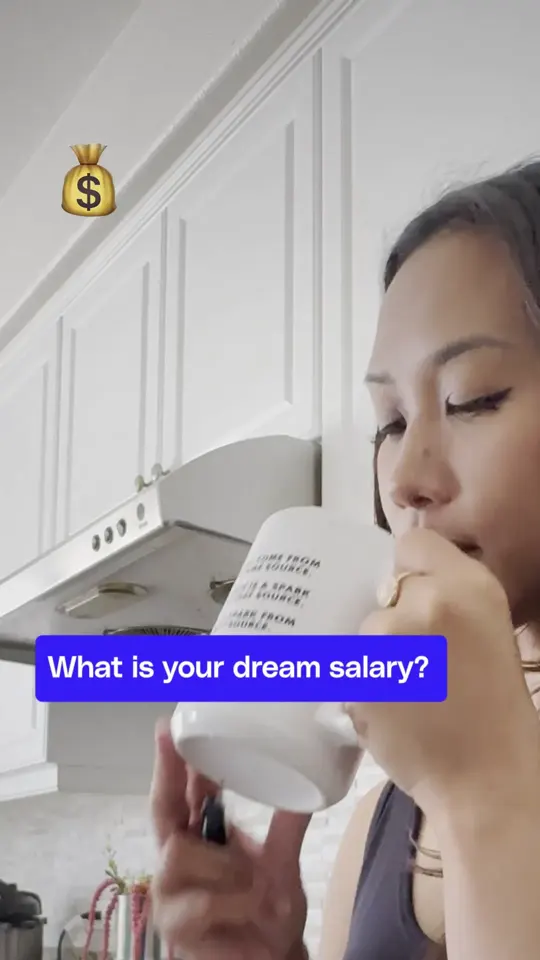



The other half is where it lands.
The work
Six steps for your next cohort
Six steps, run against your cohort calendar. What we need from you is some content only your program can make, an instructor or an alumnus who'll go on camera, and time with the people who speak to your applicants.
-
Step 01 of 06
Research
Before anything is made, we research the certification: who buys it and why now, how aware they are, which providers they weigh it against, what proof holds up, and how professionals talk about the career move. Anything you already have, from graduate outcomes to past campaigns, goes in too.
What you get
- A research document per certification
- Competitor and proof review
- Professional language, in their own words
-
Step 02 of 06
Student profiling
From that research we choose one or two professional profiles per certification and write the message for each: one claim, the proof behind it, the objection it has to beat.
What you get
- Professional profiles and messaging
- One claim per certification with its proof
- Channel and budget plan by cohort start
-
Step 03 of 06
Landing pages and VALA
We build mobile-first program pages and a VALA funnel that explains employer recognition, time commitment and the next step. The inquiry form captures someone who knows what they signed up for, is interested, wants to learn more, and is willing and able to pay. A syllabus or info session gives them useful evidence before enrollment.
What you get
- Landing pages built and tested
- Qualification fields and useful program information
- Email and SMS nurture matched to cohort start
-
Step 04 of 06
Creatives
We produce most of the ads in-house and bring in creators where the brief calls for it: an alumnus to camera with the job title the credential got them, an honest look at the hours per week and the exam, plus statics and UGC. What you record, we script and edit. New hooks tested frequently, one hypothesis per asset.
What you get
- Static, UGC and high-production ads
- New hooks tested
- Ad copy and landing page copy
-
Step 05 of 06
Paid Advertising
We run the channels that fit the credential, with accounts in your name: LinkedIn for professional and employer audiences, Meta and YouTube for alumni proof, and Google for people already comparing. We review qualified conversations and their cost, with enrollment outcomes recorded separately and budget changes matched to your approval cycle.
What you get
- Campaign build and management in your accounts
- Budget review using qualification evidence
- Qualified conversations and their cost, reported
-
Step 06 of 06
Feedback loop
Qualification evidence and cost, later enrollments, and what your team hears from professionals feed back into research and creative before the next cohort. Questions about recognition, workload and outcomes shape what we explain next.
What you get
- Regular readout against targets
- A recap you can share
- Research updated every cycle
Each cycle starts from what the last one proved
Make the credential and commitment clear. Measure qualified conversations and learn before the next cohort.
See it in the numbers →Providers that demanded better



Results from earlier client work, shown with their original metrics and program scope.
“They managed to turn things around for our campaigns in a short span of time. Creative, great insights and a constant flow of communication make it awesome to work with them.”

“We could take our hands off, trust the team and see the results. Our meetings feel more like strategy sessions than reports.”
Education is all we do
We know the professional learner
A working professional needs to understand recognition, workload and career value before choosing a credential.
Qualification with context
A submitted form should come from someone who understands the program, is interested, wants to learn more, and is willing and able to pay. Entry requirements remain a separate admissions check.
Your proof, made visible
Use verified completion rates, employer partnerships and graduate outcomes where professionals compare their options.
Questions we get from certification teams
How do we attract serious learners rather than browsers?
Explain the credential, recognition, workload and next step before the form. A qualified conversation is someone who submits, knows what they signed up for, is interested in joining, wants to learn more, and is willing and able to pay for it. Role, experience and entry requirements can inform later admissions checks without changing that definition.
What makes certification marketing different from other education marketing?
The buyer is comparing three providers with their own money and wants an employer to recognize the result. That makes proof the message: who hires the graduates, what they earn, how many finish. It also means the shortlist forms early, so showing up while the professional is still thinking about the move matters more than winning the search auction at the end.
Which platforms work for certification programs?
LinkedIn can reach professional and employer audiences, Meta and YouTube can carry alumni stories, and Google reaches people already comparing. We review the mix against qualified conversations and their cost, with enrollments shown as a later outcome and changes matched to the cohort calendar.
What should a certification provider budget?
Start from qualified conversations and their cost today, the share that becomes enrollments, the value of an enrollment and the seats to fill. Those numbers set the budget. Where qualification is not yet recorded, we agree the evidence and a test range before scaling.
Can a small provider compete with the big names?
Yes, by being specific where they are broad. A smaller provider can own one role, one industry or one region, put a named instructor and named graduates in front of that group, and win the comparison on fit rather than on brand. The big names can't speak that precisely to anyone.