
Marketplaces eat your margins.
Discounting eats your brand.


Marketplace pricing sets the benchmark for e-learning platforms. We position your instructor quality, completion rates and career outcomes against it, and report on learners who stay.
enrolled
for Daisie
partnered with










Why platforms hit a ceiling
Giants set the price
You're compared on price against catalogs with unlimited budget and a free tier.
Shrinking margins
As acquisition costs rise and free alternatives multiply, it becomes harder to recover the cost of a new learner.
Churn after lesson one
A sign-up means nothing if the learner disappears before the second module.
They understand the program.
They’re willing and able to invest.
A qualified conversation is a form submission from someone who understands the program, is interested in joining, wants to learn more, and is willing and able to pay for it.
- 01They submit the form.
- 02They understand the program.
- 03They are interested in joining.
- 04They want to learn more.
- 05They are willing and able to pay.
Creative that earns learners
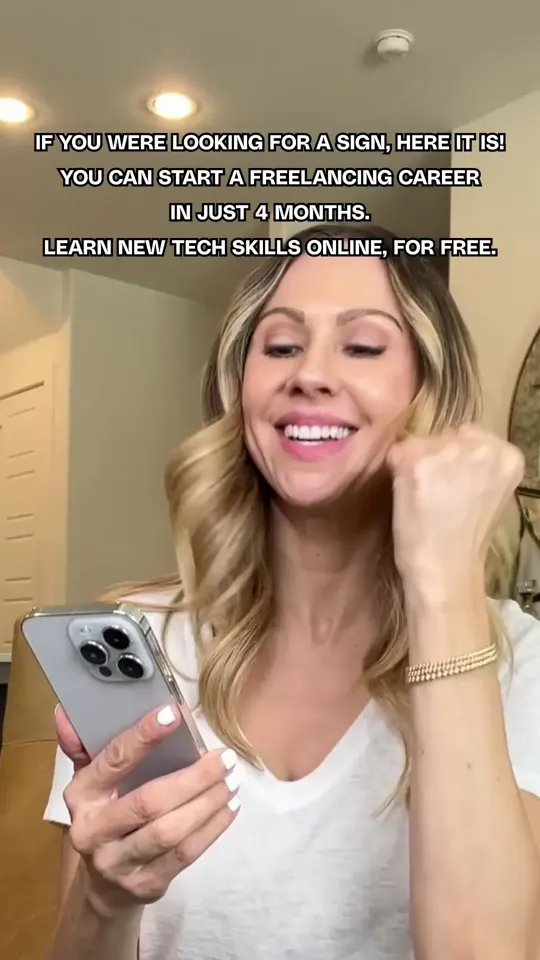
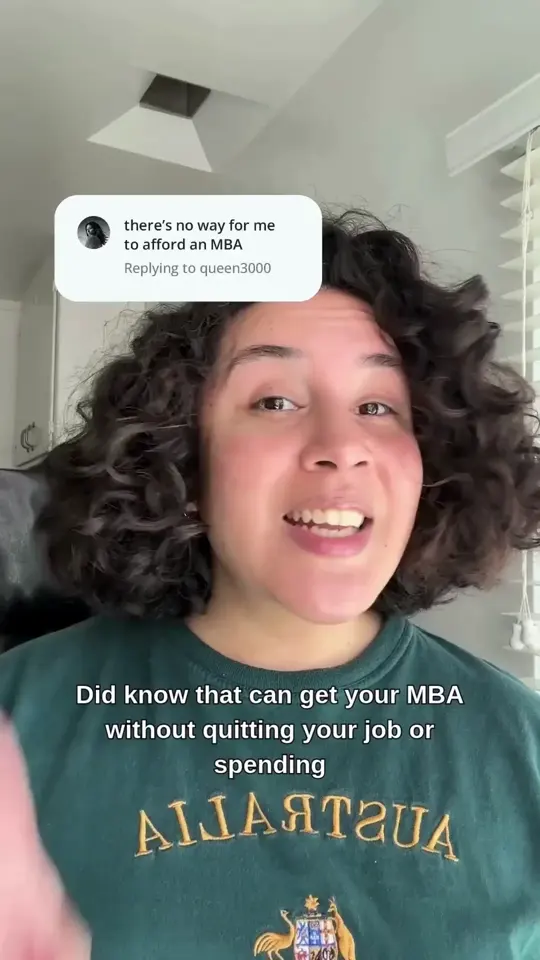
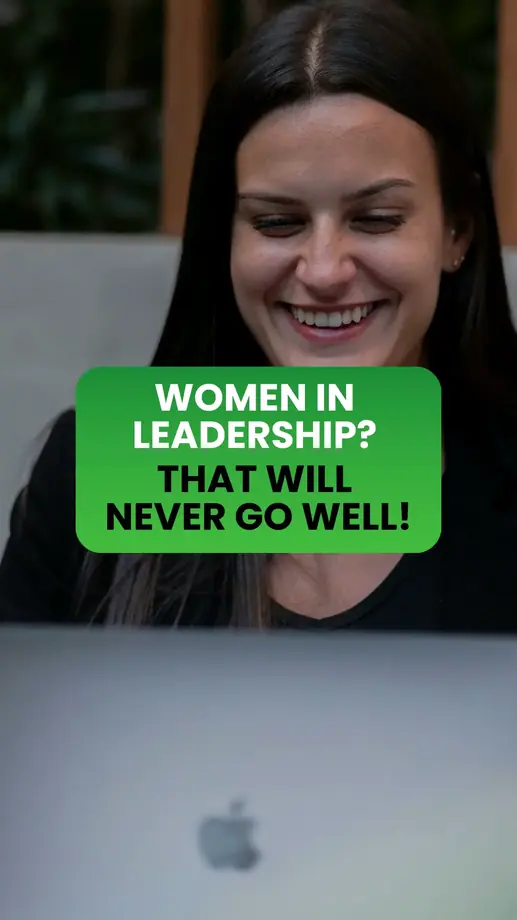
Branded, UGC and high-production formats built for the feed, made in-house and tested against what your category is running. Each concept comes from research into the program, its audience and the proof behind the message. You approve the work; we script, produce and edit.




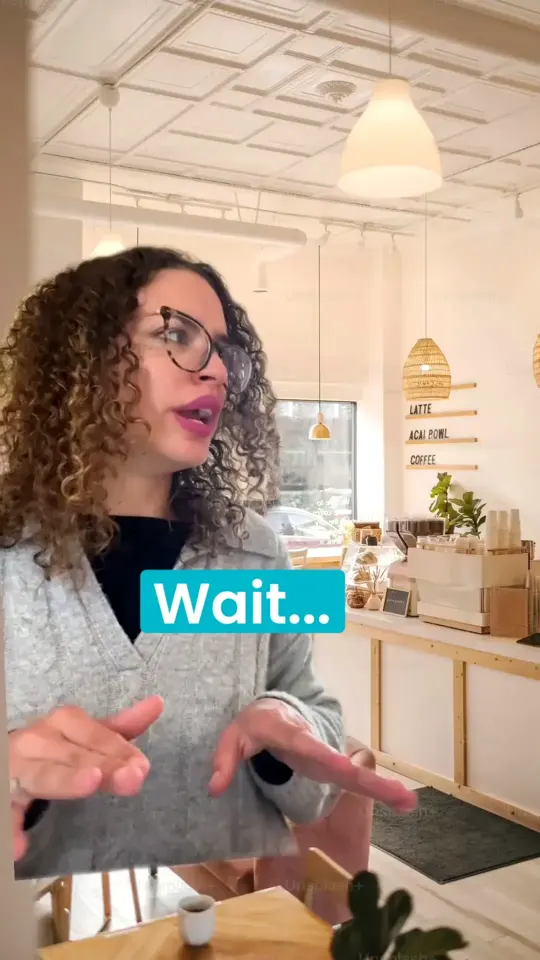
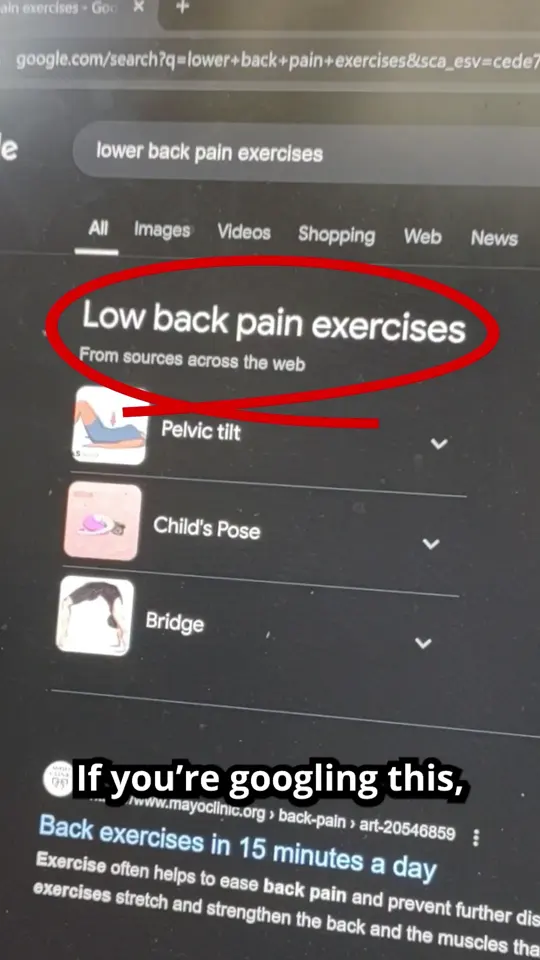
The other half is where it lands.
The work
Six steps, built around your learners
Six steps, run across your learner segments. We need instructors or learners on camera, program evidence, and the sign-up, activation and retention data your team already uses.
-
Step 01 of 06
Research
Before anything is made, we research the platform by learner segment: who subscribes and why, how aware they are, which marketplaces you lose to, what proof holds up, and how learners talk about what they want to be able to do. Sign-up and retention data goes in too.
What you get
- A research document per learner segment
- Marketplace and proof review
- Learner language, in their own words
-
Step 02 of 06
Student profiling
From that research we choose one or two learner segments and write the message for each: one claim, the proof behind it, the objection it has to beat.
What you get
- Learner profiles and messaging
- One claim per segment with its proof
- Channel and budget plan by segment
-
Step 03 of 06
Landing pages and VALA
We build pages that explain the learning experience and guide each segment to a first lesson, a path recommendation, a subscription or an inquiry. For inquiry forms, qualification means the person understands what they signed up for, is interested, wants to learn more, and is willing and able to pay. Sign-ups, purchases and module completion keep their own definitions.
What you get
- Landing pages built and tested
- Qualification fields for inquiry journeys
- Onboarding content matched to the first learning step
-
Step 04 of 06
Creatives
We produce most of the ads in-house and bring in creators where the brief calls for it: instructors to camera, learners showing what they can do now, a look at the first module so the second gets started, plus statics and UGC. What you record, we script and edit. New hooks tested frequently, one hypothesis per asset.
What you get
- Static, UGC and high-production ads
- New hooks tested
- Ad copy and landing page copy
-
Step 05 of 06
Paid Advertising
We run the channels that fit each segment, with the accounts in your name: Meta and Instagram for consumer learners, YouTube where the skill can be shown, Google for people searching a specific outcome, LinkedIn for professional upskilling. Budget moves toward the segments that produce learners who stay.
What you get
- Campaign build and management in your own accounts
- Budget shifted toward learners who stay
- Cost per retained learner, reported
-
Step 06 of 06
Feedback loop
We review sign-ups, first-module completion and retention by segment, plus reviews and support feedback. Qualified inquiries and their cost are reported separately where the platform has an inquiry flow. What learners ask and do shapes the next round of research and creative.
What you get
- Regular readout against targets
- A recap you can share
- Research updated every cycle
Each cycle starts from what the last one proved
Make the platform clear to the right learner. Keep inquiry qualification, purchases and retention visible as separate outcomes.
See it in the numbers →Platforms that demanded better
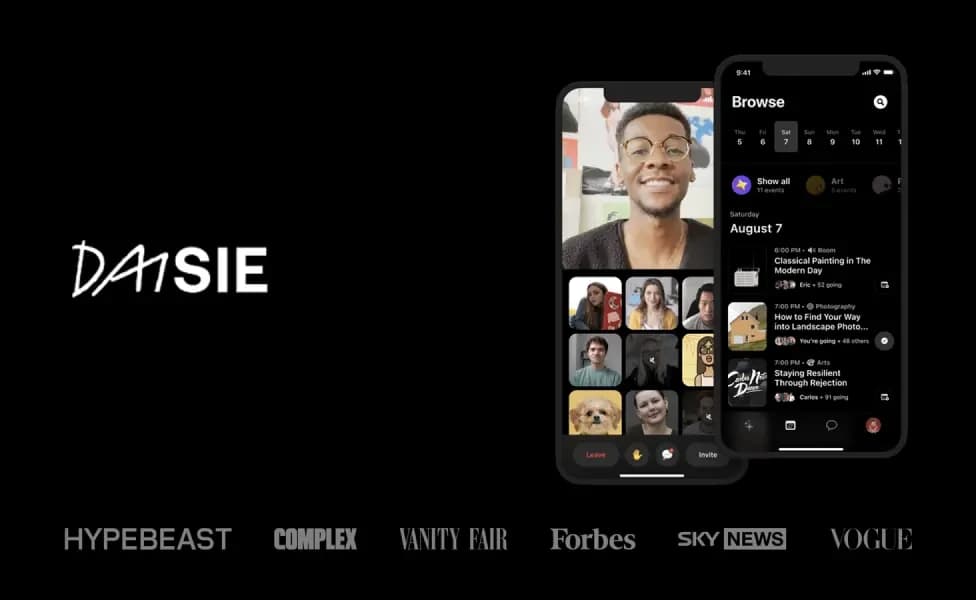

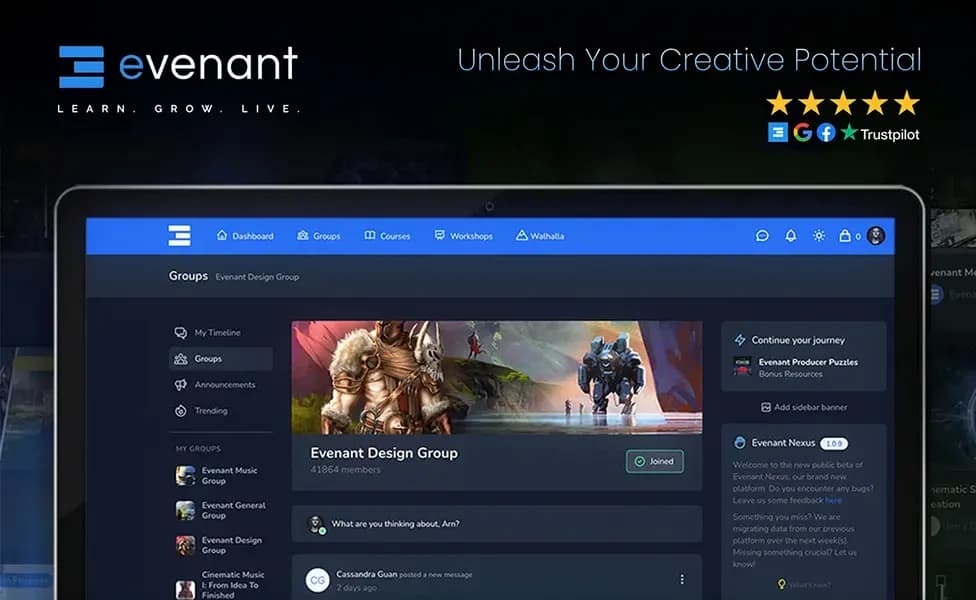
Platform and education-course examples, with their original acquisition metrics. These are not platform-retention results.
“Over three years together, tackling hard projects in niche markets and turning them into real successes.”

“We could take our hands off, trust the team and see the results. Our meetings feel more like strategy sessions than reports.”

Education is all we do
We understand platform economics
Acquisition cost needs to be read alongside activation, retention and lifetime value by learner segment.
Make qualification explicit
For inquiry journeys, record understanding and interest before a form becomes a qualified conversation. A subscription is still a purchase.
Your differentiators, made visible
Instructor expertise, course quality and verified learner outcomes explain why a specific group would choose your platform.
Questions we get from platform teams
How do we compete with Udemy and Coursera?
By refusing the fight they win. A marketplace sells breadth and price; a platform wins on a named instructor, a completion rate a learner can check, and an outcome a specific group wants. We pick the segments where that difference matters most and put it in front of them before they open a marketplace tab.
What makes platform marketing different from promoting one course?
A platform needs to understand more than one purchase. Sign-ups, first-module completion, repeat learning and retention reveal different parts of the journey. Where you have inquiry forms, we also record whether the person understands the program, is interested, wants to learn more, and is willing and able to pay. Those qualified conversations are not a substitute for subscription or retention reporting.
Which platforms work for e-learning?
Meta and Instagram for consumer learners, YouTube where the skill can be shown, LinkedIn for professional upskilling, and Google for people searching for a specific outcome. Budget follows lifetime value by segment and is reviewed against results and your approval cycle.
What should a platform budget?
Start from lifetime value by segment rather than from cost per sign-up. What a retained learner is worth, what a sign-up and a retained learner cost today, and how many the catalog can absorb set the range. Where the data is thin we start from comparable platforms and replace it with your own inside the first cycle.
Can you help us launch a brand new platform?
We begin with demand research: learner interviews, search behavior and the alternatives your audience already uses. That shows what the platform needs to prove before acquisition spend makes sense. If the offer is still unproven, we will recommend establishing the audience and evidence before scaling a campaign.